Diesel engines have earned their place in work trucks for a reason. When a truck is asked to pull a trailer, haul equipment, carry tools, move livestock, or spend long hours under load, the engine has to do more than feel quick from a stoplight. It has to produce usable power, manage heat, and keep pulling without feeling strained as the weight behind it increases.
That is where diesel engines have a natural advantage. They are built around torque, compression, fuel efficiency under load, and durability. A gasoline engine can tow too, but diesel power is designed for the kind of work where the vehicle is asked to move heavy weight again and again.
Diesel Torque Arrives Where Work Trucks Need It
Torque is what gets weight moving. It is the twisting force that helps a truck pull a trailer from a stop, climb a grade, or accelerate without constantly hunting for more RPM. Diesel engines typically produce strong torque at lower engine speeds, which is one of the main reasons they feel so capable when loaded.
That low-RPM strength changes the driving experience. The truck does not need to rev as high to do hard work. It can pull steadily, especially when paired with the right transmission and axle gearing.
For towing and hauling, that matters more than peak horsepower numbers on paper. A truck working with a heavy trailer needs power that is available early and often, not only near the top of the tachometer.
Compression Ignition Builds A Different Kind Of Power
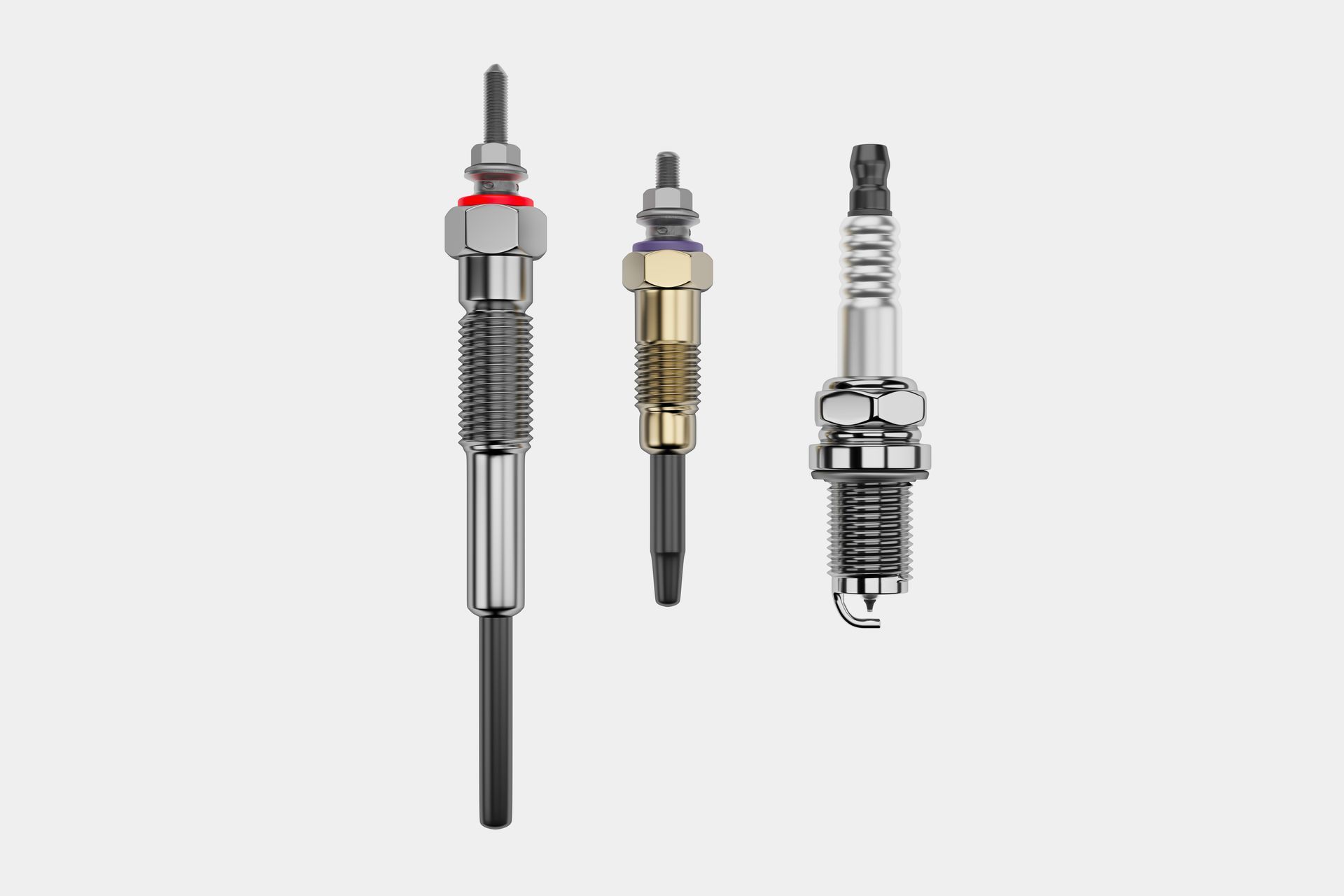
Diesel engines do not use spark plugs to ignite the fuel mixture the way gasoline engines do. They use high compression to create heat, then inject fuel into that hot compressed air. That design gives diesel engines their strong cylinder pressure and load-carrying character.
Because diesel engines are built to handle higher compression, they often use heavier-duty internal parts. Blocks, crankshafts, pistons, rods, bearings, and cylinder heads are designed to withstand the forces generated during diesel combustion.
That does not make them indestructible. It does mean the engine is designed from the beginning to handle serious pressure and steady workload. When properly maintained, that design can make diesel engines well-suited for long service life in demanding conditions.
Diesel Engines Are Built Around Load
A diesel truck is usually expected to work. That expectation affects more than the engine. The cooling system, fuel system, transmission, drivetrain, exhaust, turbocharger, and emissions systems all play a role in how the truck handles load.
Heavy-duty use creates heat. Towing uphill, idling on job sites, pulling in hot weather, and carrying a payload over long distances all put the engine and transmission under greater strain. Diesel platforms are often designed with greater cooling capacity, stronger driveline components, and components designed to handle sustained demand.
That is why choosing the right truck matters. Payload, trailer weight, axle ratio, cooling capacity, brake condition, and maintenance history all affect whether the truck is truly ready for the work being asked of it.
Turbocharging Helps Maintain Pulling Power
Many modern diesel engines use turbochargers to force more air into the engine. More air allows the engine to burn fuel more efficiently and make stronger power under load. For towing and hauling, that can make a major difference when climbing hills or accelerating with weight behind the truck.
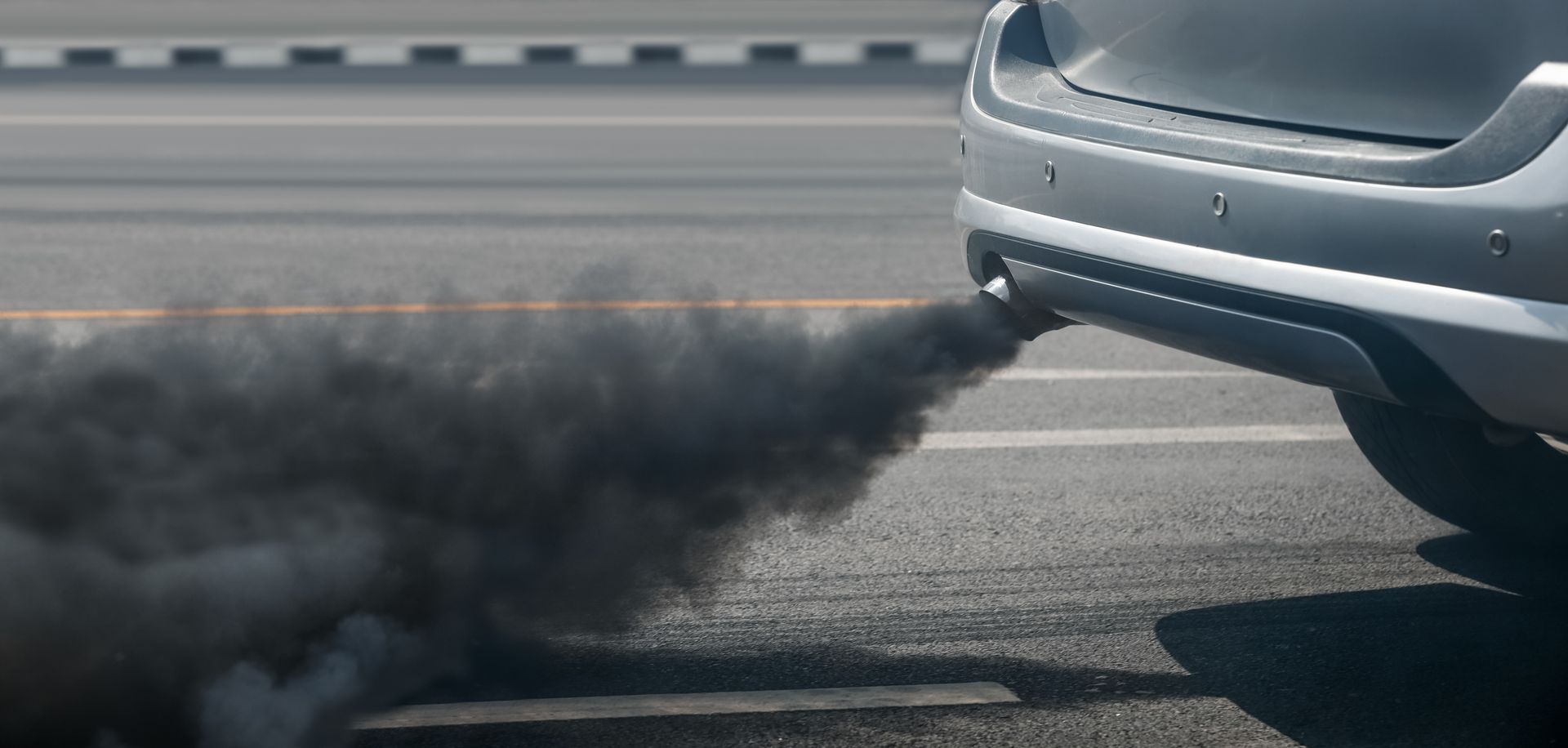
A healthy turbocharger helps the engine breathe. A worn or leaking turbo system can cause low power, smoke, poor fuel economy, strange noises, or check engine lights. Boost leaks, sticking vanes, sensor problems, and exhaust restrictions can all make a diesel feel weaker than it should.
Turbocharged diesel engines require clean oil, proper warm-up procedures, effective air filtration, and attention to leaks. The turbo is part of what makes the truck powerful, but it also depends on regular maintenance to survive hard use.
Fuel Efficiency Under Load Is A Major Advantage
Diesel fuel contains more energy per gallon than gasoline, and diesel engines are generally efficient when working under load. That is one reason diesel trucks are popular for towing, hauling, and commercial use. They can often move heavy weight while using fuel more efficiently than a comparable gas engine doing the same job.
The advantage becomes more obvious when the truck is loaded. A gasoline engine may need to rev higher and downshift more often. A diesel engine can often hold speed with lower RPM and less frequent shifting, depending on the terrain and load.
Poor fuel economy in a diesel truck can point toward more than driving habits. Dirty filters, boost leaks, injector issues, dragging brakes, incorrect tire pressure, exhaust restrictions, or emissions system problems can all make a working truck use more fuel than it should.
Maintenance Decides How Long The Advantage Lasts
A diesel engine’s strengths only matter if the truck is maintained properly. Diesel engines depend heavily on clean fuel, clean oil, good filtration, correct coolant, healthy batteries, strong charging systems, and proper service intervals.
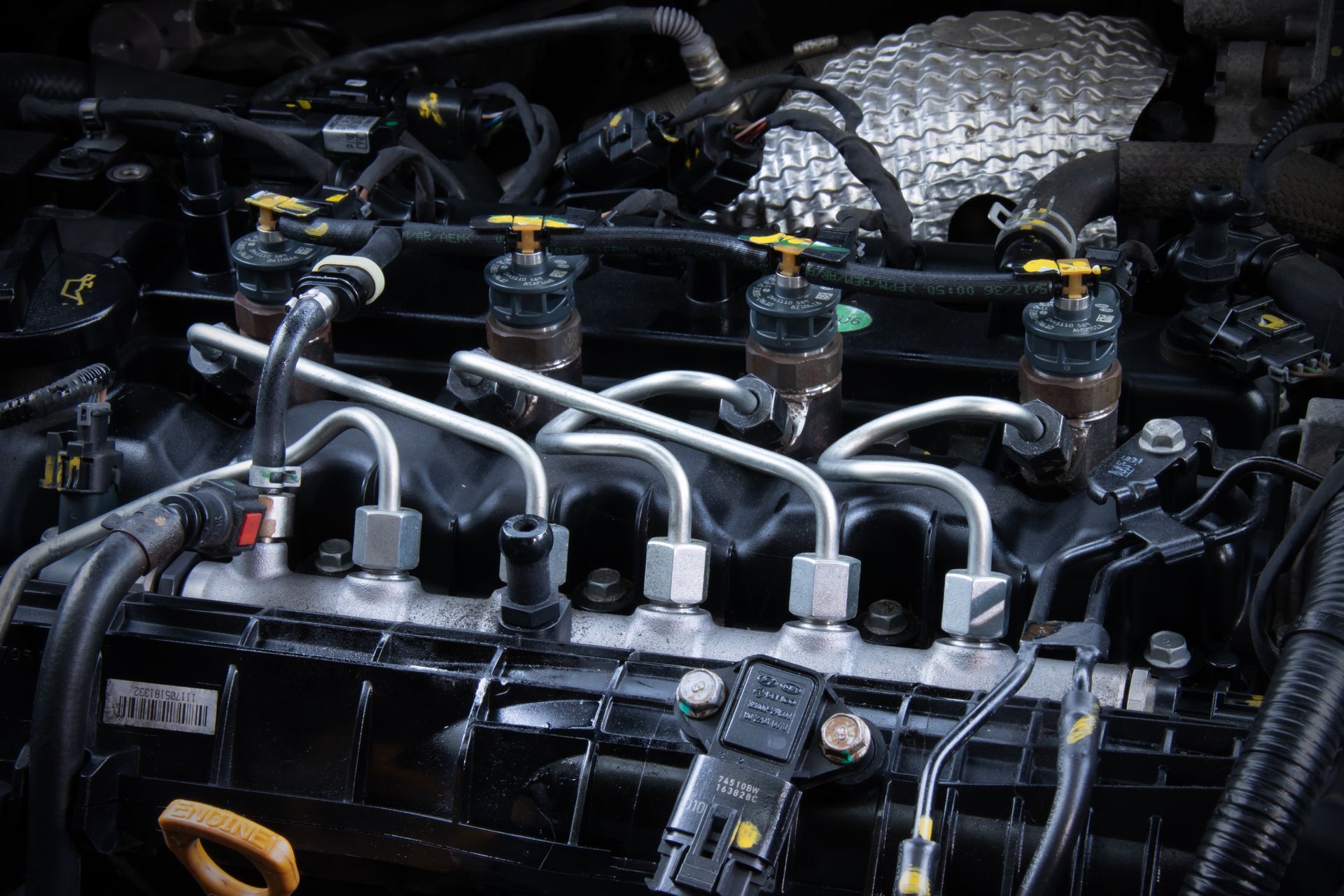
Fuel filters are especially important. Diesel injection systems operate at very high pressure, and contamination can damage expensive parts. Oil service matters because diesel engines create soot and heat that work the oil hard. Coolant condition matters because towing and hauling put extra demand on the cooling system.
A regular maintenance inspection should cover the entire truck, not just the engine. Brakes, tires, suspension, steering, drivetrain fluids, belts, hoses, leaks, batteries, and trailer-related components all affect how safely and reliably the vehicle can work.
Get Diesel Engine Service In Williamston, MI, With Key Diesel and Auto Service
If your diesel truck is used for towing, hauling, heavy-duty work, or daily driving under load, Key Diesel and Auto Service in Williamston, MI, can inspect the engine, fuel system, turbocharger, cooling system, fluids, brakes, drivetrain, and related parts.
For diesel engine service that helps your truck stay ready for hard work,
contact us to schedule an appointment.