Changing your own oil used to feel like one of the most basic ways to take care of a car. A few tools, a drain pan, and some time in the driveway could get the job done. That idea still appeals to many drivers, especially if they want to save money or stay more hands-on with maintenance.
Modern vehicles have changed that calculation a bit. The oil change itself is still familiar, but the engines, service requirements, and risk of getting small details wrong are not quite as simple as they used to be.
Why DIY Oil Changes Still Appeal To Drivers
Cost is usually the first reason people think about changing their oil at home. Buying oil and a filter can look cheaper than paying for service, especially if you already have ramps, tools, and a place to work. There is also a sense of control that comes with doing the job yourself.
For some drivers, that still makes good sense. If you know the vehicle well, understand the correct oil specification, and are comfortable doing the work, a home oil change can be a reasonable option. The question is whether that approach still makes as much sense on modern vehicles as it did on older ones.
Modern Engines Are More Demanding Than They Used To Be
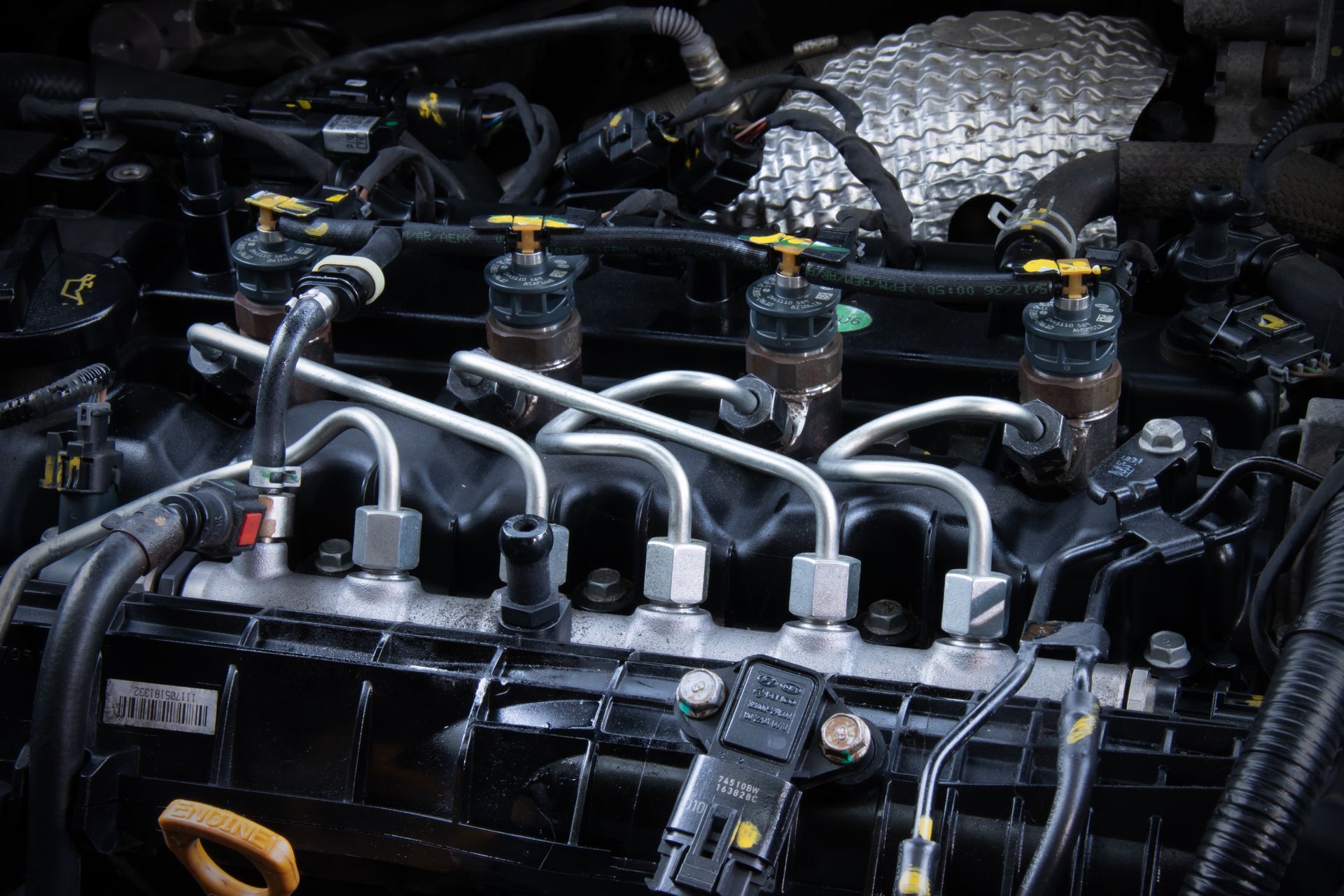
Newer engines are far more sensitive to oil type, oil viscosity, and manufacturer-specific specifications. Turbocharged, direct-injection, and variable-valve-timing engines all depend heavily on clean oil flowing the right way at the right pressure. Using the wrong oil is not a minor mistake on many of these vehicles.
That is one reason the old approach of using whatever seems close enough no longer works. The engine may still run, but it may not be protected the way it should be. Over time, that can affect timing components, turbochargers, oil consumption, and overall engine wear in ways that cost much more than the oil change ever would.
The Job Is Not Always As Simple As It Looks
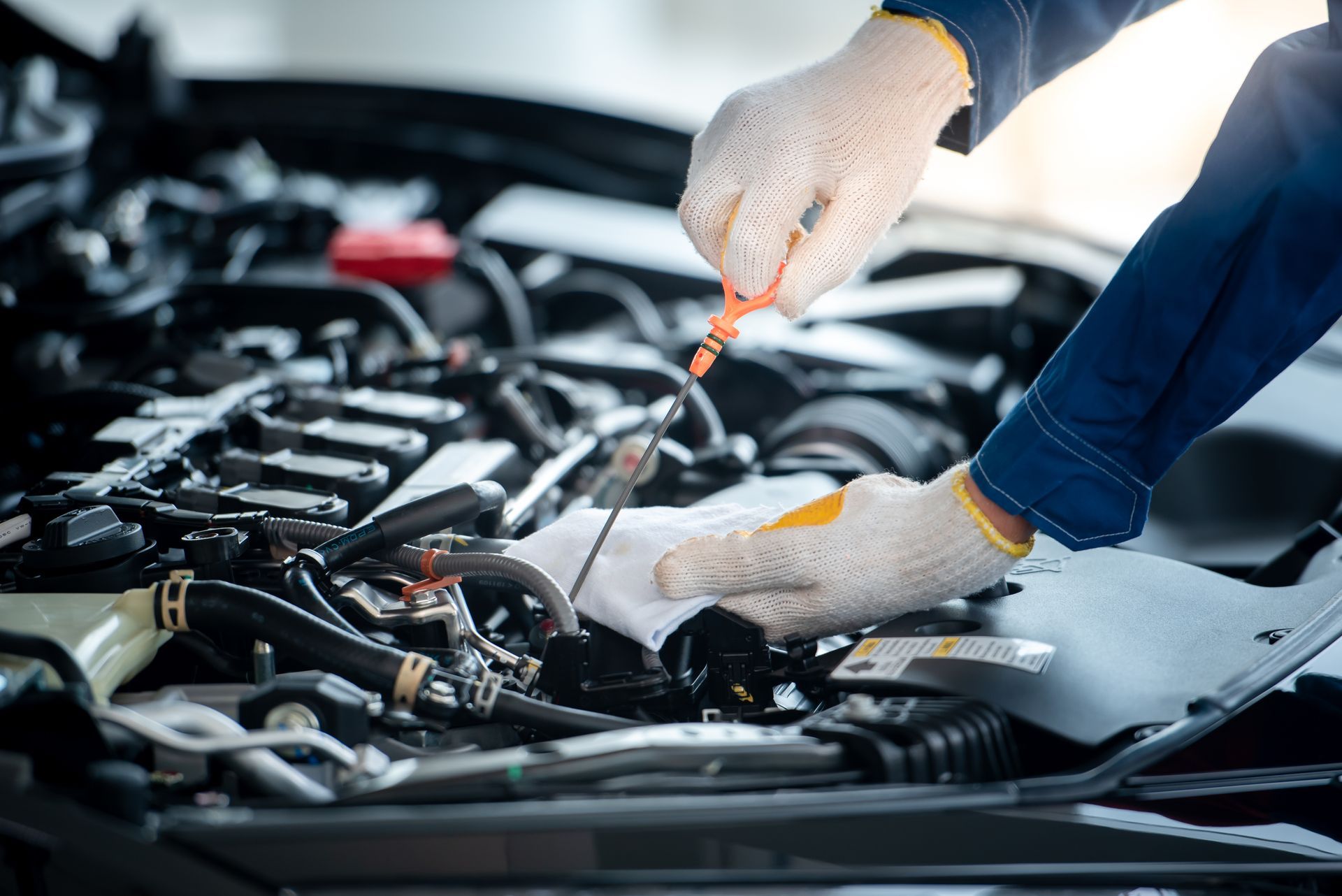
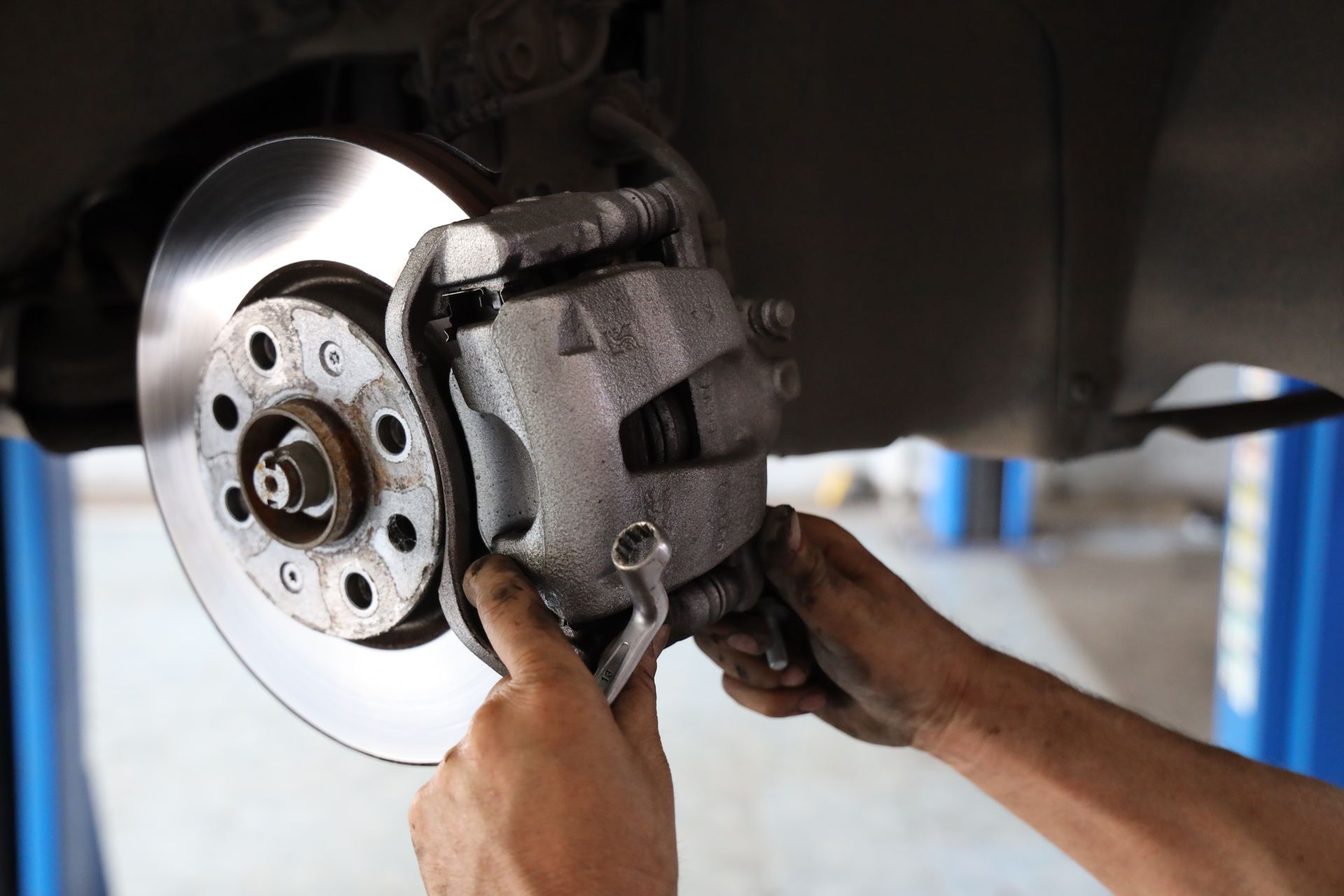
On many modern vehicles, getting to the drain plug and oil filter is more annoying than drivers expect. Underbody panels, splash shields, tighter packaging, and cartridge-style filters all add steps. Some vehicles also require a specific process for checking oil level, especially if they do not use a traditional dipstick.
Then there is the service's reset side. Oil life monitors and maintenance reminders need to be reset correctly, and not every driver knows the procedure. None of this makes the job impossible, but it does make it easier to miss something small that later becomes a bigger headache.
Mistakes During A DIY Oil Change Can Get Expensive
The problem with an oil change is that a single mistake can lead to a large repair bill. A drain plug that is too loose, too tight, cross-threaded, or reused when it should not be can create trouble quickly. The same goes for an oil filter that is installed incorrectly, double-gasketed, or not tightened properly.
Overfilling and underfilling are problems, too. Modern engines do not leave much room for carelessness here. Too little oil reduces protection. Too much can create pressure and aeration issues. What looks like a basic maintenance job can turn into leaks, warning lights, or engine damage if the details are off.
A Shop Oil Change Usually Includes More Than Fresh Oil
One reason many drivers still choose professional service is that an oil change at a shop is rarely just an oil change. It usually includes an inspection of fluid levels, visible leaks, filter condition, tire wear, and other early signs of trouble. That extra look is valuable because small problems are easier to deal with before they become obvious.
That is where regular maintenance does more than many people realize. You are not only replacing old oil. You are giving the vehicle a routine inspection at the same time. A home oil change can save money in the short term, but it may also miss the little clues that a technician would catch while the car is already in the air.
When Doing It At Home Still Makes Sense
Changing your oil at home can still be worth it if you have the right tools, a safe place to work, and a solid understanding of the vehicle’s requirements. It also helps if the car is simple to service and you are committed to using the exact oil and filter it needs. For drivers who do it carefully, the process can still be practical.
The bigger issue is honesty. If you are rushing, guessing on specs, or skipping proper cleanup and disposal, the savings are not really savings. Used oil still has to be handled correctly, and the job still has to be done with enough care to protect the engine.
When Professional Service Is The Better Choice
For many modern vehicles, professional service is easier and safer. The oil and filter are correct, the reminder is reset, used oil is handled properly, and the car gets an inspection while it is there. That combination matters more as engines become more complex and more expensive to repair.
If you are unsure about oil specifications, access, filter design, or the vehicle's overall condition, a shop oil change is usually the smarter choice. It removes the guesswork and gives you a better chance of keeping the engine protected long term.
Get Oil Change Service In Williamston, MI, With Key Diesel and Auto Service
If you are weighing the cost and hassle of doing your oil change at home, Key Diesel and Auto Service in Williamston, MI, can handle the service and help ensure nothing important is overlooked.
Sometimes the smarter move is to let the job get done cleanly and correctly, without the extra risk.