6 Warning Signs Your Diesel Fuel Injectors Are Getting Clogged

January 30, 2026

Diesel injectors live in a tough environment. They’re asked to deliver precise fuel mist at high pressure, often while the engine is cold, the fuel quality varies, and the truck is working hard. When injectors start clogging, the engine usually doesn’t fail all at once. It starts getting picky, a little rougher, a little louder, and a little less efficient.


If you catch the early signs, you can often prevent the kind of drivability problems that turn into bigger bills later.


1. Longer Cranking Or Hard Starts, Especially Cold


A clogged injector can disrupt how quickly the engine lights off because the fuel spray pattern isn’t as clean as it should be. Cold starts tend to expose this first, since cold air and cold cylinders require better atomization for stable combustion. You may notice it takes longer to catch, or it starts and stumbles for a few seconds before smoothing out.


If the starting behavior is changing week by week, don’t shrug it off. A small change in cranking time is often the first hint that the fuel system is not delivering evenly.


2. Rough Idle And A Slight Shake At Low RPM


When one injector is restricted more than the others, the engine can feel uneven at idle. It might not feel like a dramatic misfire, but you’ll notice a light shake in the seat, a rough sound, or a subtle surge when you’re sitting at a stop. Once you’re cruising, it may feel mostly normal, which is why people ignore it.


The giveaway is consistency. If the idle has become rough in the same way most mornings, that pattern is worth chasing before it becomes a constant drivability annoyance.


3. Noticeable Power Drop And Sluggish Acceleration


Clogged injectors can starve one or more cylinders, and that makes the engine feel lazy when you try to accelerate. You might notice it most when merging, pulling a grade, or towing, when the truck needs clean fueling to build torque. Sometimes it feels like the turbo is slower to spool, even though the real issue is that the engine isn’t getting the fuel it expects.


A lot of owners compensate without realizing it by pressing the pedal more, which can raise exhaust temperature and stress other parts. If you’re asking for more throttle than you used to for the same results, that’s a strong clue that something has changed.


4. Excess Smoke Or A Stronger Diesel Odor From The Exhaust


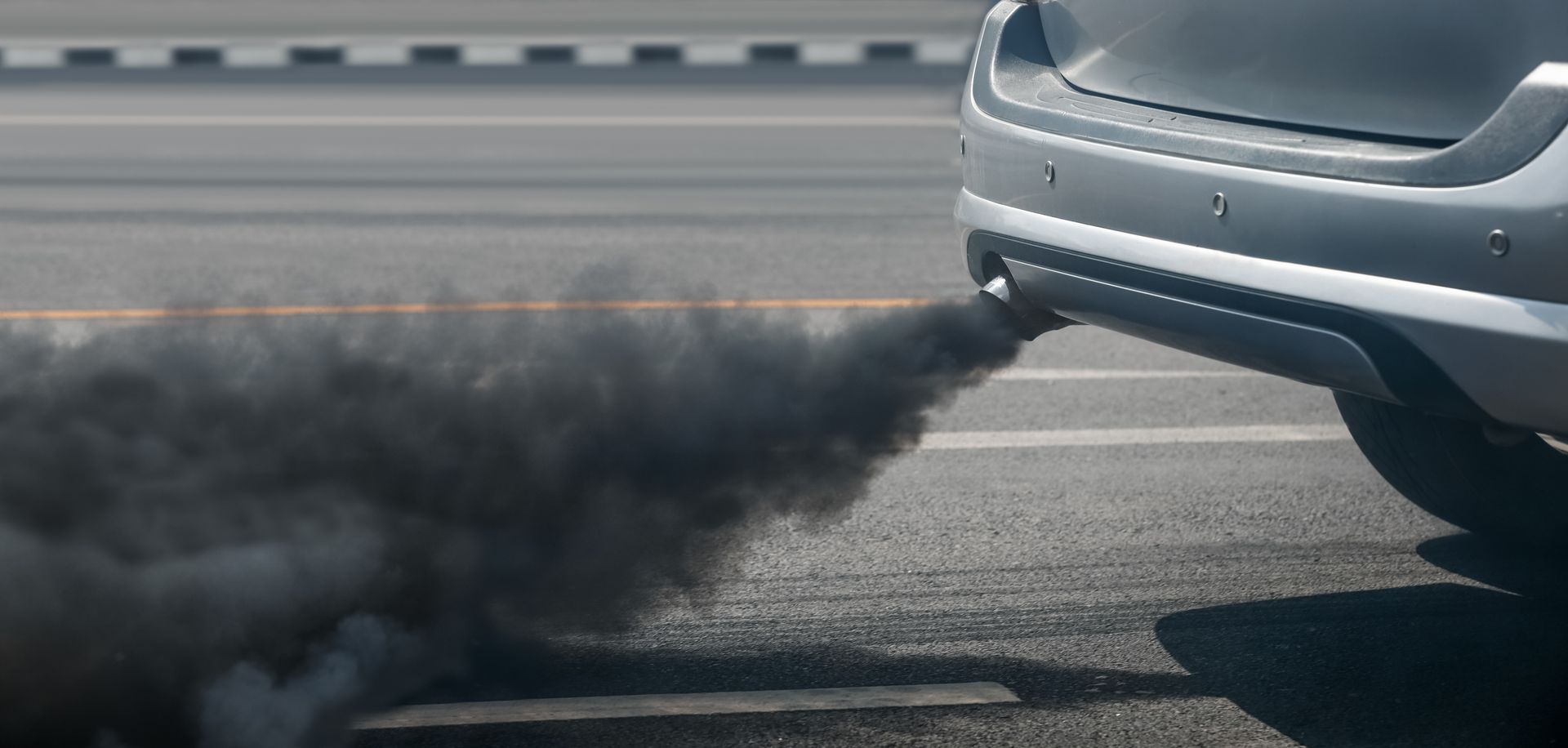
Dirty injectors can cause poor combustion, and poor combustion can lead to smoke. Black smoke often points toward excess fuel or incomplete burn under load, while white haze can be tied to cold combustion or fuel not igniting cleanly at first. You may also notice the exhaust smells sharper than it used to, especially after a cold start or a hard pull.


One important note here: smoke is a symptom, not a verdict. It can also come from boost leaks, EGR issues, or sensor problems, so it’s better to treat smoke as a reason to inspect rather than a reason to throw parts at it.


5. Worse Fuel Mileage And More Frequent Regens


When injectors aren’t spraying correctly, the engine often burns fuel less efficiently. That can show up as worse mileage, even if your route and load haven’t changed. On trucks with DPF systems, inefficient combustion can also mean more soot, which can trigger more frequent regeneration cycles.


If you’ve noticed regens happening more often than they used to, or you’re fueling up sooner without an obvious explanation, injectors should be on the shortlist. It’s not the only cause, but it’s common enough that it deserves a real look.


6. New Rattle Or Knock Under Load That Wasn’t There Before


A restricted injector can change combustion timing and how smoothly the cylinder burns fuel. That can create a sharper clatter, a rattle-like sound, or a knock you notice most under acceleration or while pulling up a hill. Some drivers describe it as the engine sounding harsher when it’s working.


It doesn’t always mean damage is happening right now, but it does mean the engine isn’t as happy as it used to be. If the noise appeared recently and matches a power drop or rough idle, that combination is usually more than a coincidence.


Get Diesel Injector Service in Williamston, MI, with Key Diesel and Auto Service


If you’re noticing rough idle, weaker pull, extra smoke, or changes in mileage and regen behavior, we can inspect the fuel system, check injector performance, and pinpoint what’s causing the change instead of guessing. We’ll lay out what we find and recommend the most sensible next step, whether that’s maintenance, cleaning, or a repair.


Call Key Diesel and Auto Service in Williamston, MI,, to schedule diesel injector service and get your truck running smoothly and strongly again.

The Role of Spark Plugs in Gasoline Engines vs. Glow Plugs in Diesels | Key Diesel and Auto Service
December 19, 2025
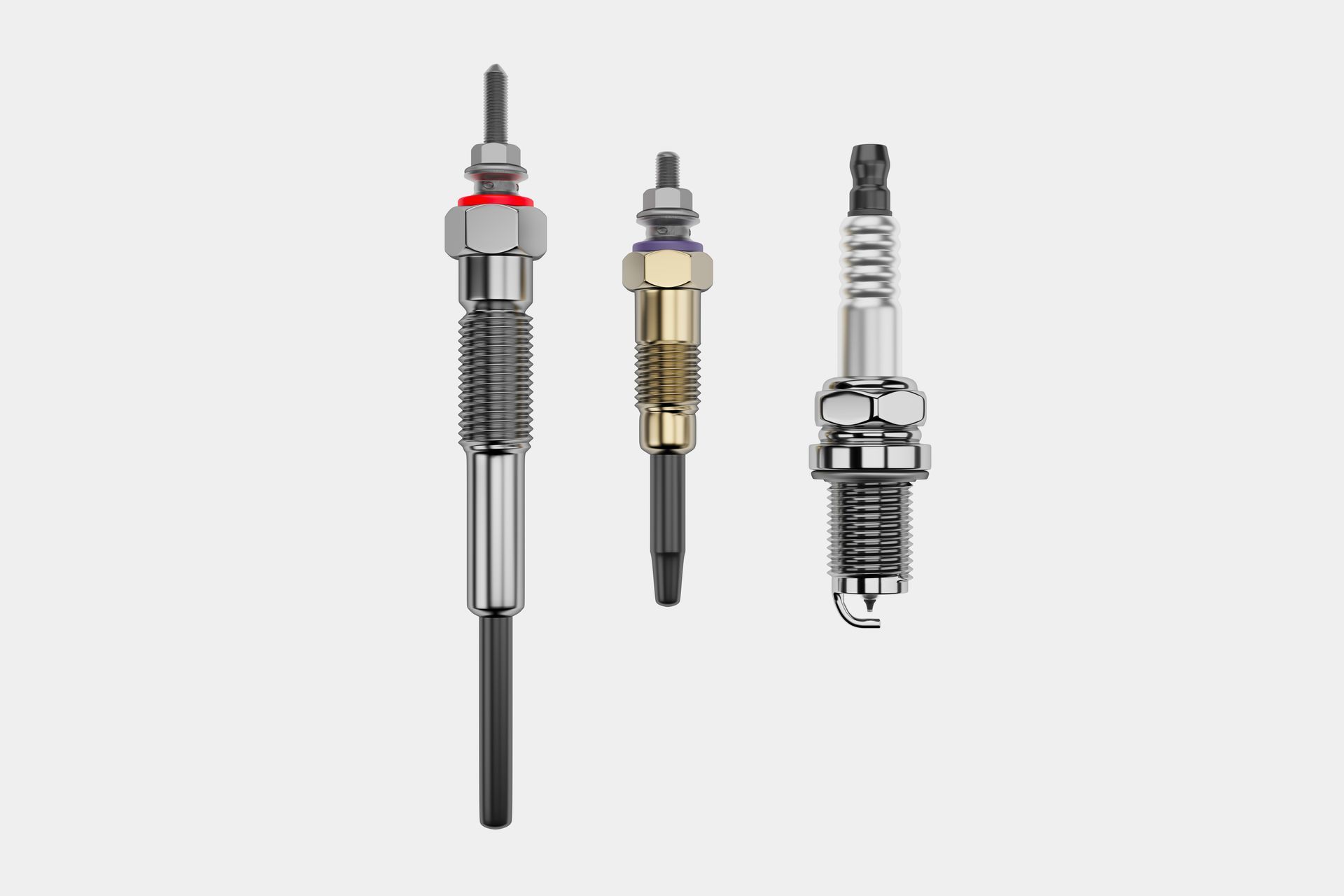
Key Diesel and Auto Service in Williamston, MI, explains the roles of spark plugs in gasoline engines versus glow plugs in diesels.
What Is The Difference Between Brake Pad and Brake Rotor Replacement? | Key Diesel and Auto Service
November 28, 2025
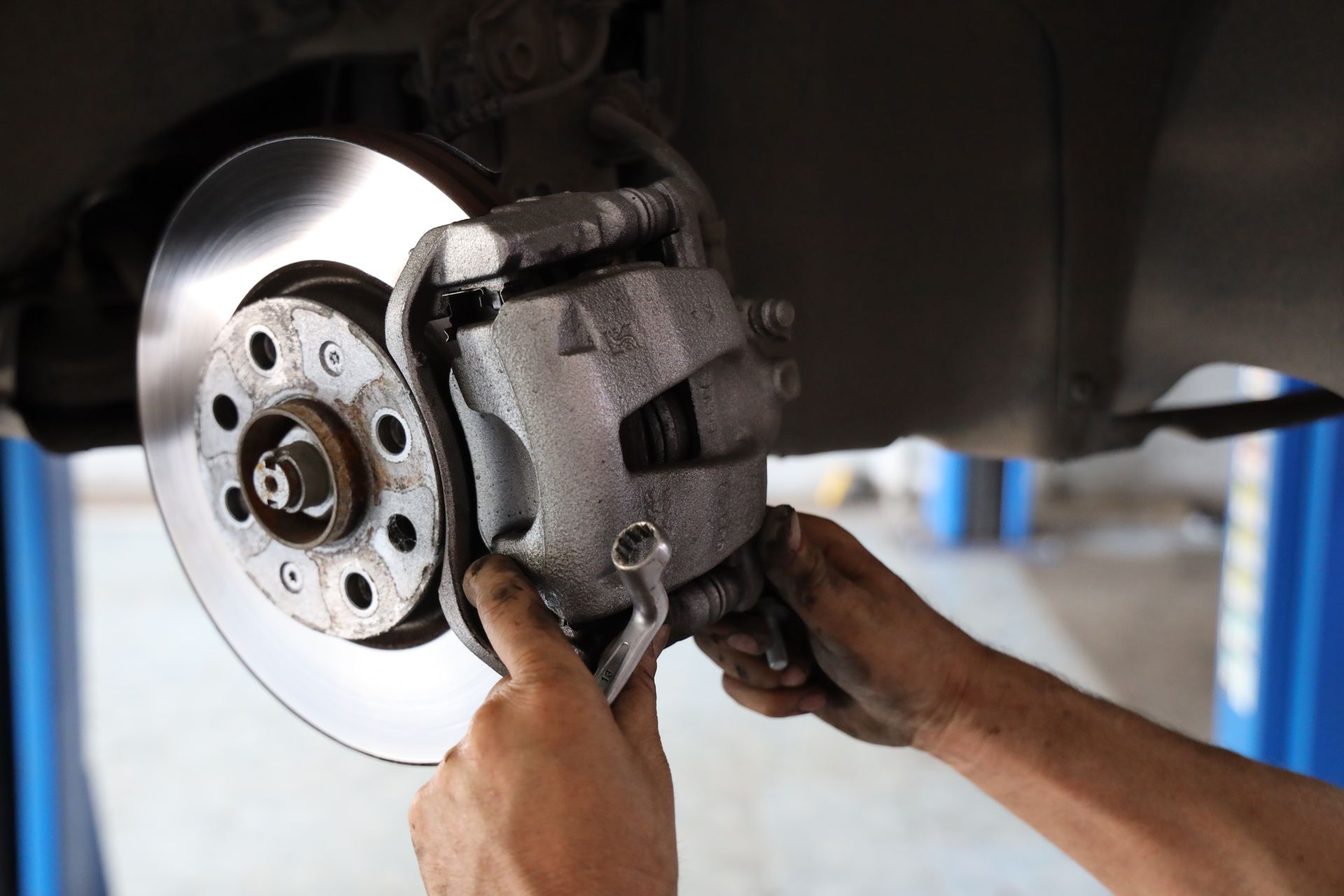
Key Diesel and Auto Service in Williamston, MI, explains the difference between pads and rotors and when each one typically needs to be replaced.
How Does Detailing Extend the Life of Your Car’s Paint and Interior? | Key Diesel and Auto Service
October 31, 2025
Key Diesel and Auto Service in Williamston, MI, shows how regular detailing protects vehicle paint and interiors from long-term wear.
What Causes Black Smoke From a Diesel Exhaust and How to Fix It | Key Diesel and Auto Service
September 26, 2025
Seeing black smoke coming from your diesel vehicle's exhaust is never a good sign. While diesel engines naturally produce more exhaust than gasoline engines, heavy or persistent black smoke usually indicates an underlying issue. It often means your engine is burning too much fuel or not burning it efficiently, which can lead to reduced performance, poor fuel economy, and even long-term damage if ignored. Understanding what causes black smoke can help you identify problems early and prevent more expensive repairs later on. How Diesel Combustion Works Diesel engines operate differently from gasoline engines. Instead of using spark plugs to ignite a fuel-air mixture, diesel engines compress air until it’s hot enough to ignite the injected fuel. When everything is working properly, this process results in efficient combustion and minimal visible exhaust. Black smoke appears when there’s incomplete combustion. That means too much fuel is being injected, there isn’t enough air, or both. Identifying the cause is the first step toward restoring proper performance. Common Causes of Black Smoke Black smoke can be triggered by several issues, many of which are related to the fuel or air delivery systems: Clogged air filter: If the engine isn’t getting enough air, fuel can’t burn efficiently. A dirty or blocked air filter is one of the simplest causes of black smoke. Faulty fuel injectors: When injectors deliver too much fuel or fail to spray it evenly, excess fuel remains unburned, leading to thicker exhaust smoke. Turbocharger problems: In turbocharged diesel engines, a failing turbo can reduce airflow into the combustion chamber, causing incomplete combustion and increased smoke. EGR (Exhaust Gas Recirculation) issues: If the EGR valve sticks or malfunctions, it can disrupt the balance of air and fuel, resulting in black smoke. Bad sensors: Malfunctioning sensors that regulate fuel and airflow can cause your engine to run rich, creating more smoke. Since these issues can range from minor to severe, getting the problem diagnosed early saves time and protects your engine from damage. How Black Smoke Affects Engine Performance Aside from being unpleasant to look at, persistent black smoke can indicate deeper issues affecting your vehicle’s efficiency and reliability. You may notice a decrease in power, sluggish acceleration, or reduced fuel economy. If the problem is ignored, unburned fuel can also damage components like the catalytic converter, diesel particulate filter, or turbocharger. In some cases, excessive smoke can even lead to failed emissions tests , which can be a problem if your area requires vehicle inspections. Preventing Black Smoke Problems Routine maintenance is the key to preventing most causes of black smoke. Replacing air filters regularly, servicing fuel injectors, and checking sensors during scheduled inspections keep your diesel engine running cleanly. If your vehicle is turbocharged, having the turbo inspected periodically ensures it’s working properly and delivering adequate airflow. Staying on top of oil changes and using high-quality diesel fuel can also minimize carbon buildup inside the engine, which helps improve combustion efficiency. Expert Diesel Engine Service at Key Diesel and Auto Service At Key Diesel and Auto Service , our technicians specialize in diagnosing and repairing diesel engine problems, including excessive exhaust smoke. We use advanced diagnostic tools to pinpoint the cause, whether it’s a faulty injector, clogged air filter, or failing turbocharger. Our goal is to restore your vehicle’s performance, improve fuel efficiency, and keep your diesel engine running clean. Schedule an appointment today and let us help you get your engine back in top shape.
Top 10 Diesel Engine Maintenance Tips for Longevity | Key Diesel and Auto Service
August 29, 2025
Key Diesel and Auto Service in Williamston, MI, provides 10 essential diesel engine maintenance tips to keep your truck running longer.
auto repairs
August 20, 2025
Do you want to avoid costly breakdowns? To learn about what auto repairs you should consider, read on or contact Key Diesel and Auto Service today!
Can Upgrading Your Turbo Hurt Your Engine? | Key Diesel and Auto Service
July 30, 2025
Key Diesel and Auto Service in Williamston, MI, explains how turbo upgrades impact your engine and what to watch out for.
Why EGR Valve Issues Are More Than Just an Emissions Problem | Key Diesel and Auto Service
June 27, 2025
Key Diesel and Auto Service in Williamston, MI, explains how a faulty EGR valve can affect your vehicle’s performance beyond emissions control.
A man is working on the engine of a car in a garage.
April 29, 2025
Regular maintenance goes hand in hand with owning a vehicle. How much you pay for these services usually depends on where you live. According to Marketwatch, Michigan has the fourth-lowest vehicle repair costs nationwide. However, these costs are necessary to prolong the lifespan of your vehicle. You can usually find standard maintenance services at your local auto repair shop. Let's take a look for more information! 1. Oil Changes As your vehicle runs, the oil runs through the motor and picks up dirt over time. The oil filter removes some dirt or debris, but plenty stays in the oil, too. Eventually, the oil will turn into sludge and not circulate as well throughout the motor. You can always schedule an oil change at your local auto repair shop if you start running into these issues. They'll be able to help you out and get your vehicle back on the road in no time at all! 2. Tune-Ups Vehicles need regular tune-ups to continue to run well. These tune-ups may include checking or changing your fluid and more. Most vehicles need spark plugs and wires changed over time. If they are not, they may eventually corrode, resulting in various issues. Mechanics will speak with you about any recent maintenance your car has received to ensure you only get the services you need. If you aren't sure, feel free to ask for their thoughts on what might need to be done to your car. 3. Brake Work Your brakes are a critical component of your car. However, they tend to wear down over time. Brake issues that must be resolved can result in warped rotors, which are more expensive to repair. A professional mechanic can help you determine the problem if your brakes are making noises or not working properly. They can also change your brake pads to keep you and your family safe while you're on the road. Your local auto repair shop offers several maintenance services. They can usually handle essential maintenance, like changing fluids, oil changes, brake services, and other forms of preventative maintenance. Contact us at Key Diesel and Auto Service when you need to schedule an appointment. We look forward to hearing from you and working with you in the near future!