Gasoline and diesel engines may burn fuel in different ways, but they both rely on small parts at the top of each cylinder to help the combustion process. In gas engines, that part is the spark plug; in diesels, it is the glow plug during cold starts. Drivers sometimes mix these up or assume they do the same job, yet they behave very differently when they start to fail.
Knowing what each plug does makes it easier to explain symptoms and keep both engine types running their best.
How Spark Plugs Work in Gasoline Engines
Spark plugs sit in the cylinder head of a gasoline engine and create the spark that ignites the air-fuel mixture. The ignition coil charges up, then releases high voltage across the plug gap, which jumps from the center electrode to the ground strap. That small spark happens thousands of times per minute while you drive.
The plug has to survive constant heat, pressure, and chemical exposure. Over time, the electrodes wear, the gap grows, and deposits build up around the insulator. When that happens, the spark can weaken or occur in the wrong place, and the mixture may not burn as completely as it should. That is when drivers start to notice misfires, rough running, and poor fuel economy.
What Glow Plugs Do in Diesel Engines
Glow plugs in diesel engines serve a different purpose. Diesels rely on very high compression to heat the air in the cylinder, then inject fuel that ignites from that heat. On cold days, or with certain engine designs, compression alone is not enough to bring the air up to temperature quickly.
Glow plugs are small electric heaters that sit near the combustion chamber. When you turn the key on, power flows to the glow plugs for a few seconds, warming the air and surrounding metal so the first injections of fuel can ignite more easily. Once the engine is running and warm, many diesels do not need the glow plugs at all, although some systems will pulse them briefly to smooth the idle or help emissions just after start-up.
Starting Behavior: Gas vs Diesel on Cold Mornings
You can often tell which type of plug is involved by how the engine behaves on a cold morning. A gasoline engine with worn spark plugs usually cranks normally but may stumble, misfire, or take a couple of extra seconds to start. The starter speed is steady, the engine just does not light off as cleanly.
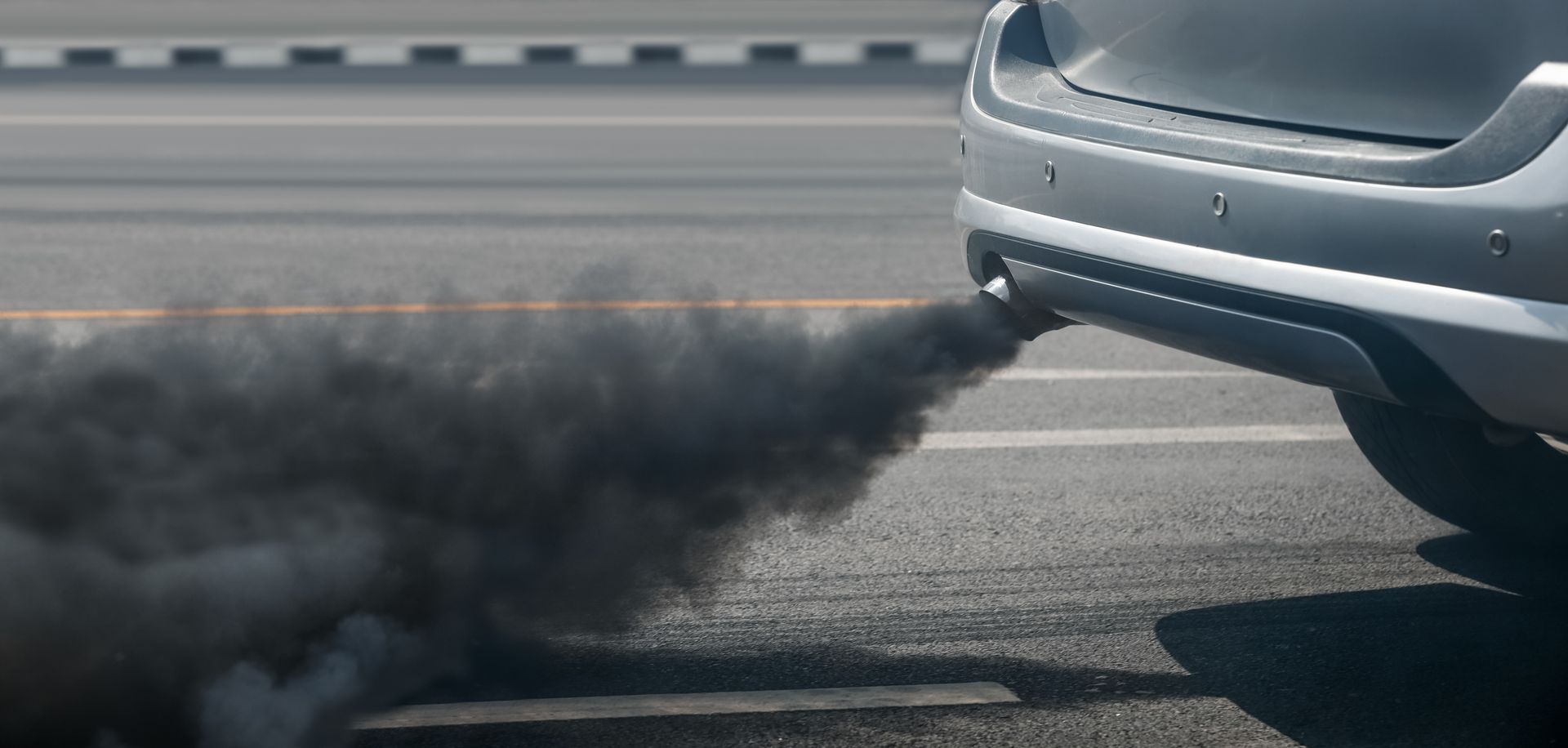
A diesel with weak glow plugs cranks longer than usual, commonly, and the exhaust may be smoky or have a raw fuel smell when it finally starts. Some drivers notice a warning light that indicates the glow plug system is active, staying on longer than before, or not coming on at all. We pay close attention to these patterns when you describe them, because they point us toward ignition issues in gas engines and preheating issues in diesels.
Common Spark Plug Problems and Symptoms
Spark plugs can fail in several ways, and the symptoms depend on how bad the wear or fouling is. Typical problems include worn electrodes, heavy carbon deposits from rich running, or oil fouling from internal wear in the engine. Plugs that have been in service far beyond their recommended interval tend to show a combination of these.
From the driver’s seat, worn spark plugs often feel like:
- Rough idle or shaking at stoplights
- Hesitation or stumbling when you accelerate
- Loss of power on hills or when merging
- A check engine light with one or more misfire codes
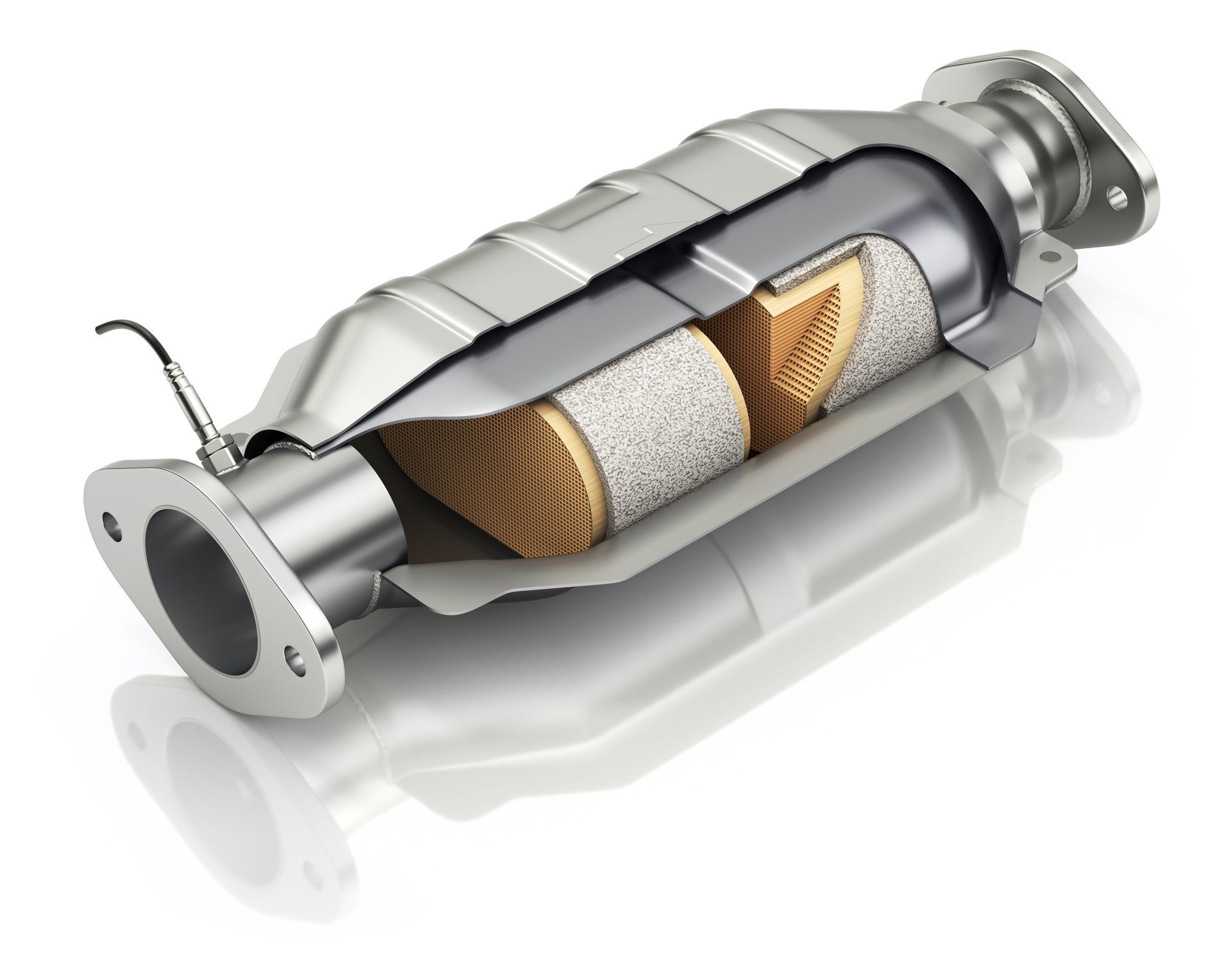
If plugs are ignored long enough, ignition coils can overwork and fail, and unburned fuel can overheat the catalytic converter. That is why fresh spark plugs at the correct interval protect more than just the plug itself.
Common Glow Plug Problems and Symptoms
Glow plugs see a lot of thermal stress every time they heat and cool, especially in colder climates. Over time, the heating element inside can weaken or open completely. Wiring, relays, and control modules in the glow system can also fail, so we never assume the plug is the only suspect.
Typical glow plug issues show up as:
- Long cranking on cold starts, even with a strong battery
- Rough idle and shaking for the first few seconds, then smoothing out
- Excess white or gray smoke from the exhaust right after start up
- Glow plug or preheat warning lights that stay on or flash
Once the engine is hot, many diesels run fairly normally even with one or more weak glow plugs, which makes it easy to ignore the problem until cold weather returns. That is usually when owners call us and say the truck has become hard to start again.
Maintenance Tips for Plugs in Both Engine Types
Spark plugs and glow plugs last a long time, but they are not lifetime parts. Following service intervals in the owner’s manual and adjusting based on how the vehicle is used keeps both systems reliable. Some helpful habits include:
- Using the correct plug type and heat range that the manufacturer specifies
- Replacing spark plugs on time, especially on engines known to be hard on plugs
- Checking glow plug operation and control circuits during routine diesel service
- Keeping up with basic maintenance, such as fuel filters and air filters, so plugs are not fighting extra contamination
We like to inspect the plug condition whenever we are doing deeper work on gasoline or diesel engines. The way the plugs look often tells us a lot about how the engine has been running and whether there are any underlying issues that deserve attention before they become bigger problems.
Get Spark Plug and Glow Plug Service in Williamston, MI, with Key Diesel and Auto Service
We work with gasoline and diesel engines every day and know how spark plugs and glow plugs should behave when they are healthy. We can test, inspect, and replace worn plugs, then check related systems so your engine starts easily and runs smoothly in all seasons.
Call
Key Diesel and Auto Service in Williamston, MI, to schedule plug service and keep your ignition and preheating systems in top shape.