You don't need a lift or a fancy scan tool to keep your car dependable. A few quick checks at home can catch small problems before they turn into expensive, inconvenient ones later. Most of these tasks take less than ten minutes, and they fit into real life if you keep them simple.
This is what regular maintenance can look like without making it a whole project.
1. Check Tire Pressure
Tires lose a little air over time, even when there's no puncture, and one low tire can change how the car feels at speed. Check pressures before you drive, then match the door-jamb sticker, not the number molded into the tire sidewall. If the pressures are uneven, correct them and see if the car feels more stable right away.
If one tire keeps needing air every week, that's not normal. It usually means a slow leak, a valve stem issue, or a bead seal problem that should be addressed before it turns into uneven wear.
2. Look For Uneven Tread Wear
Walk around the car and look at the tread from a few angles, not just straight on. Uneven wear on one edge can hint at alignment drift, and feathering can show up as a rough feel when you run your hand lightly across the tread. Cupping often looks like little dips around the tire and can lead to road noise that gets worse over time.
If wear looks different from one tire to the next, don't ignore it. Catching the pattern early can save the tire and point you toward the real cause before you buy another set.
3. Inspect Sidewalls For Damage
Sidewalls take the hit from curbs and potholes, and damage here is a bigger deal than a scuff on the tread. Look for bubbles, deep cracks, or areas that look swollen or distorted. A bulge is a red flag because it can mean the internal structure is compromised.
If you see anything questionable, avoid long highway drives until it's checked. A tire can hold air and still be unsafe if the sidewall has been weakened.
4. Confirm Exterior Lights In Two Minutes
Lights fail quietly, and you can drive for days with a brake light out without knowing it. Check headlights, brake lights, turn signals, reverse lights, and the license plate lights if your vehicle has them. If you're alone, you can back up near a wall at night to see the glow, but a helper makes it faster.
Fixing a bulb early keeps you visible and prevents last-minute surprises. Intermittent lights also matter, so if one sometimes works and sometimes doesn't, it's worth addressing before it becomes a wiring problem.
5. Check Engine Oil Level Correctly
Check the oil on level ground with the engine off for a few minutes, then wipe the dipstick and recheck. If it's low, top off with the correct oil and note how much you added. A consistent drop between checks can point to a small leak or normal consumption, but a sudden change is worth paying attention to.
Don't wait for the oil light to do the talking for you. Keeping the level correct protects the engine and reduces wear on high-heat components.
6. Check Coolant Level When The Engine Is Cool
Only check the coolant reservoir when the engine is cool, and make sure the level sits between the markings. If the level keeps dropping over a few weeks, there's usually a reason, even if you never see a puddle. Look for dried residue around hose connections or a sweet smell after shutdown.
Coolant condition matters too, not just level. If the coolant looks rusty, sludgy, or contaminated, it may be overdue for service, and that can affect temperature stability over time.
7. Look At Brake Fluid Level And Color
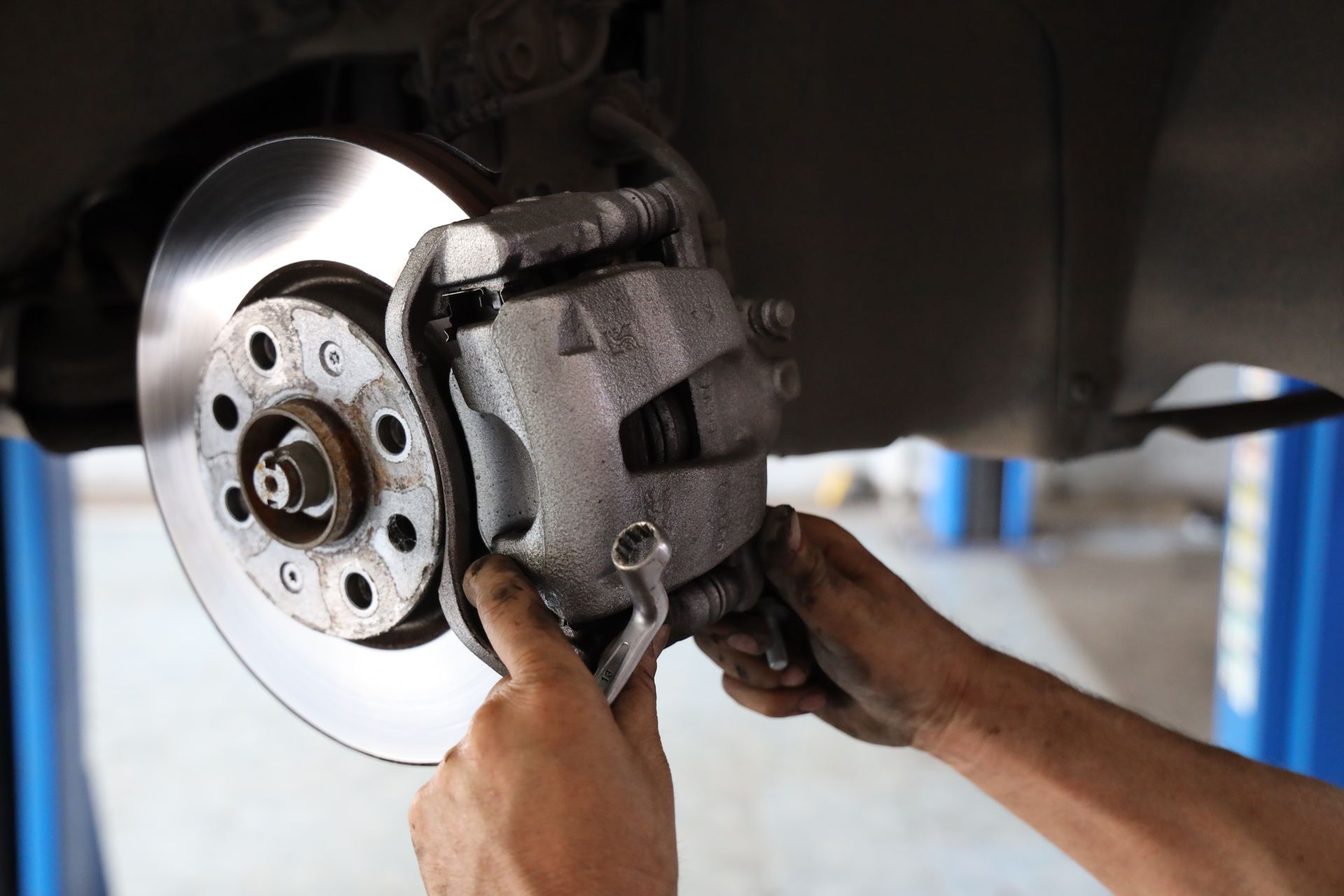
Brake fluid should stay at a stable level, and it should not look extremely dark. A level that's dropping quickly can point to a leak or significant pad wear, and either warrants attention. If the fluid looks dirty, it can mean it's absorbed moisture over time, which can affect brake feel.
If the brake pedal suddenly feels different, don't talk yourself out of it. Brake changes are one of the few things you should treat as a prompt to get it checked sooner rather than later.
8. Fill Washer Fluid And Check Wiper Performance
Washer fluid seems minor until you hit road spray and can't see, so keep it topped off. While you're there, confirm the nozzles actually spray onto the windshield where they should. If the spray is weak or crooked, the nozzle may be clogged and can often be cleared.
Wipers that streak, chatter, or leave a hazy film are telling you they're done. Replacing blades is quick, and it can make night driving and rainy commutes noticeably safer.
9. Inspect Belts And Hoses For Obvious Wear
Take a quick look for belt cracking, fraying, or a shiny glazed look that can suggest slipping. For hoses, look for bulges, cracking near clamps, or damp spots that might hint at seepage. You're not trying to diagnose the whole system, just spot changes and obvious wear before something fails.
If something looks suspicious, don't start pulling parts off at home. Take a photo and bring it in so it can be confirmed safely.
10. Replace The Engine Air Filter And Cabin Air Filter
A dirty engine air filter can reduce airflow and make the engine feel a little sluggish, especially under load. A clogged cabin air filter can cut HVAC airflow and slow down defrosting, which is a problem when the weather changes fast. Both filters are usually simple DIY jobs, and checking them takes very little time.
While you're there, make sure the air box is closed properly and intake clamps are snug. Loose clamps can cause odd drivability complaints that feel bigger than they are.
If you'd rather have a technician confirm everything on your list, schedule an inspection with
Key Diesel and Auto Service in Williamston, MI, and we'll help you prioritize what needs attention now versus what can wait.