Exhaust smoke is one of those clues drivers notice fast, then hope disappears. Sometimes it does. A little vapor on a cold morning can be normal. Smoke that keeps coming back, gets thicker, smells strange, or shows up while driving is a different story.
The color of the smoke can tell you where to start looking. It does not name the exact failed part by itself, but it gives our technicians a useful direction when checking the engine, fuel system, cooling system, turbo, or exhaust.
Why Exhaust Smoke Color Matters
A healthy engine should not leave a heavy cloud behind it during normal driving. When smoke appears, something is being burned, leaked, overfueled, or pushed through the exhaust that shouldn't be there. The color helps narrow the kind of problem behind it.
White, blue, black, and gray smoke each point toward different systems. Gas and diesel vehicles can also emit smoke for various reasons, so the vehicle type, smell, temperature, and driving conditions all matter. A proper inspection links the smoke color to test results rather than relying on color alone.
1. White Smoke
Thin white vapor during a cold start can be normal, especially when moisture in the exhaust burns off. It should fade as the engine warms up. Thick white smoke that continues after warmup is more concerning, especially if it has a sweet smell.
That type of white smoke can point toward coolant entering the combustion chamber. A blown head gasket, cracked cylinder head, intake gasket issue, or EGR cooler problem on some diesel engines can all allow coolant to reach places it should not. If the coolant level keeps dropping and the exhaust looks white, the vehicle should be checked quickly.
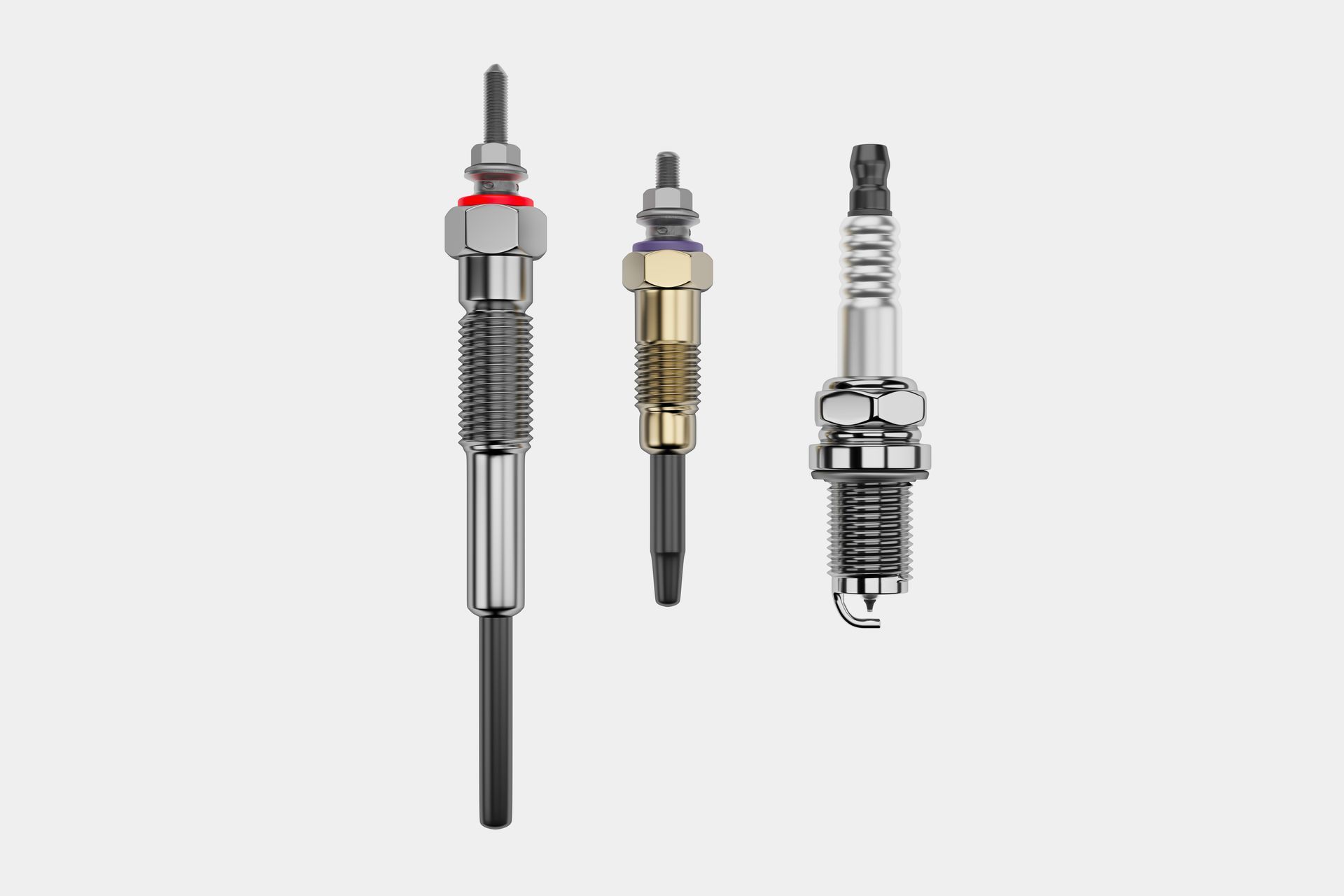
White smoke from a diesel engine can also indicate unburned fuel, especially during hard starts or rough running. Bad glow plugs, low compression, injector trouble, or timing issues can keep fuel from burning cleanly. The smoke color gives a clue, but the cause still needs to be tested.
2. Blue Smoke
Blue smoke usually points toward engine oil burning. It can show up at startup, while accelerating, after idling, or when driving downhill and then getting back on the throttle. The timing of the smoke helps narrow the source.
Oil can enter the combustion chamber through worn valve seals, piston rings, turbo seals, or crankcase ventilation problems. On turbocharged vehicles, blue smoke can be caused by oil leaking past the turbo and entering the intake or exhaust side. That should not be ignored because low oil levels and turbo damage can become expensive fast.
Drivers sometimes notice oil consumption before they notice smoke. If the engine keeps needing oil between services, there is a reason. Regular maintenance helps catch oil leaks and consumption patterns before the oil level drops too far.
3. Black Smoke
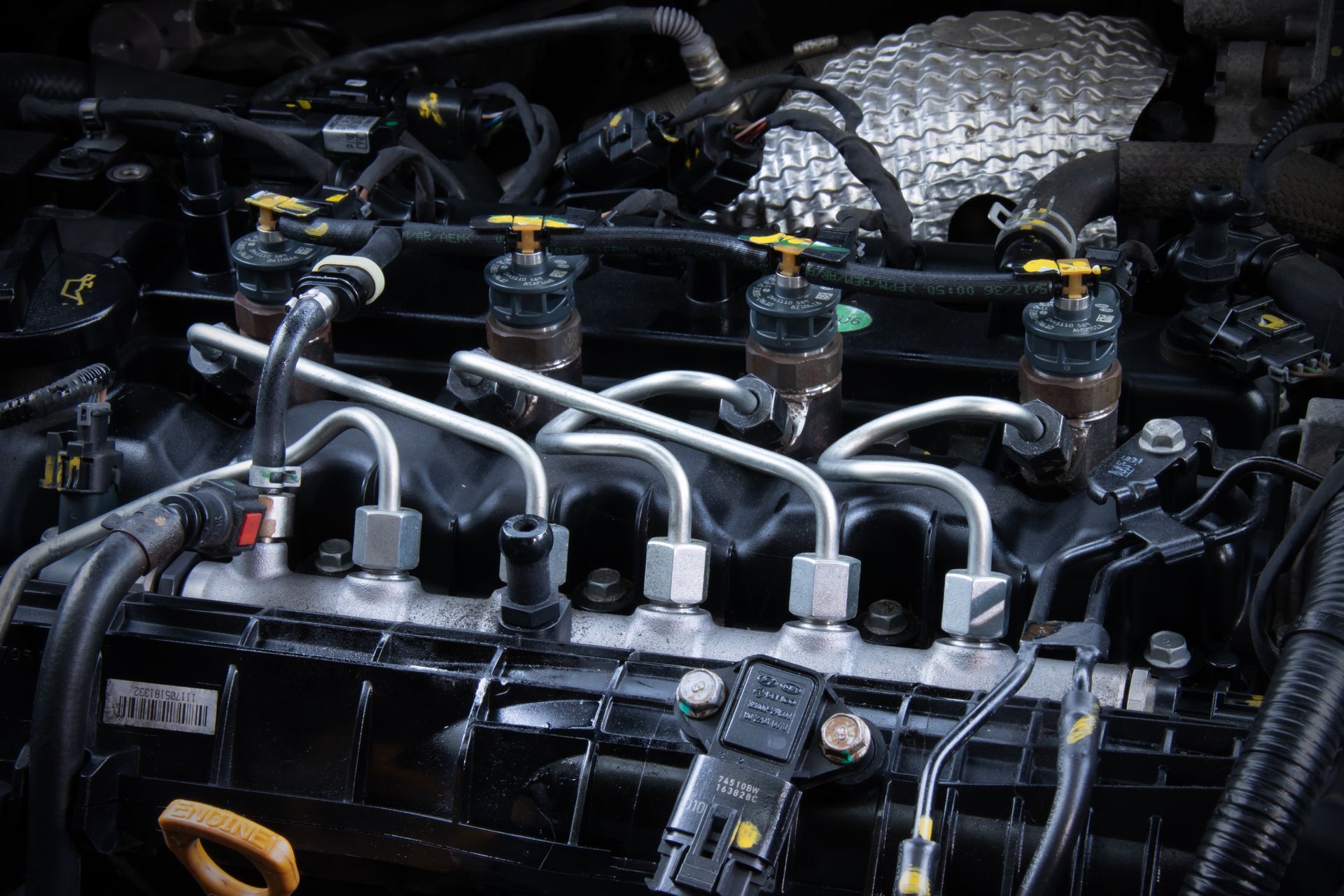
Black smoke usually means the engine is burning too much fuel or not getting enough air. On a gas engine, it can point toward a rich fuel mixture, a leaking fuel injector, a bad sensor, a restricted air filter, or an ignition problem. The engine may run rough, smell strongly of fuel, or use more gas than normal.
In diesel engines, black smoke is commonly linked to fueling and airflow. Dirty air filters, boost leaks, injector problems, turbo issues, EGR concerns, or heavy loads can all be involved. A brief puff of black smoke during hard acceleration can occur on some diesel vehicles, but heavy black smoke indicates the engine is not burning fuel cleanly.
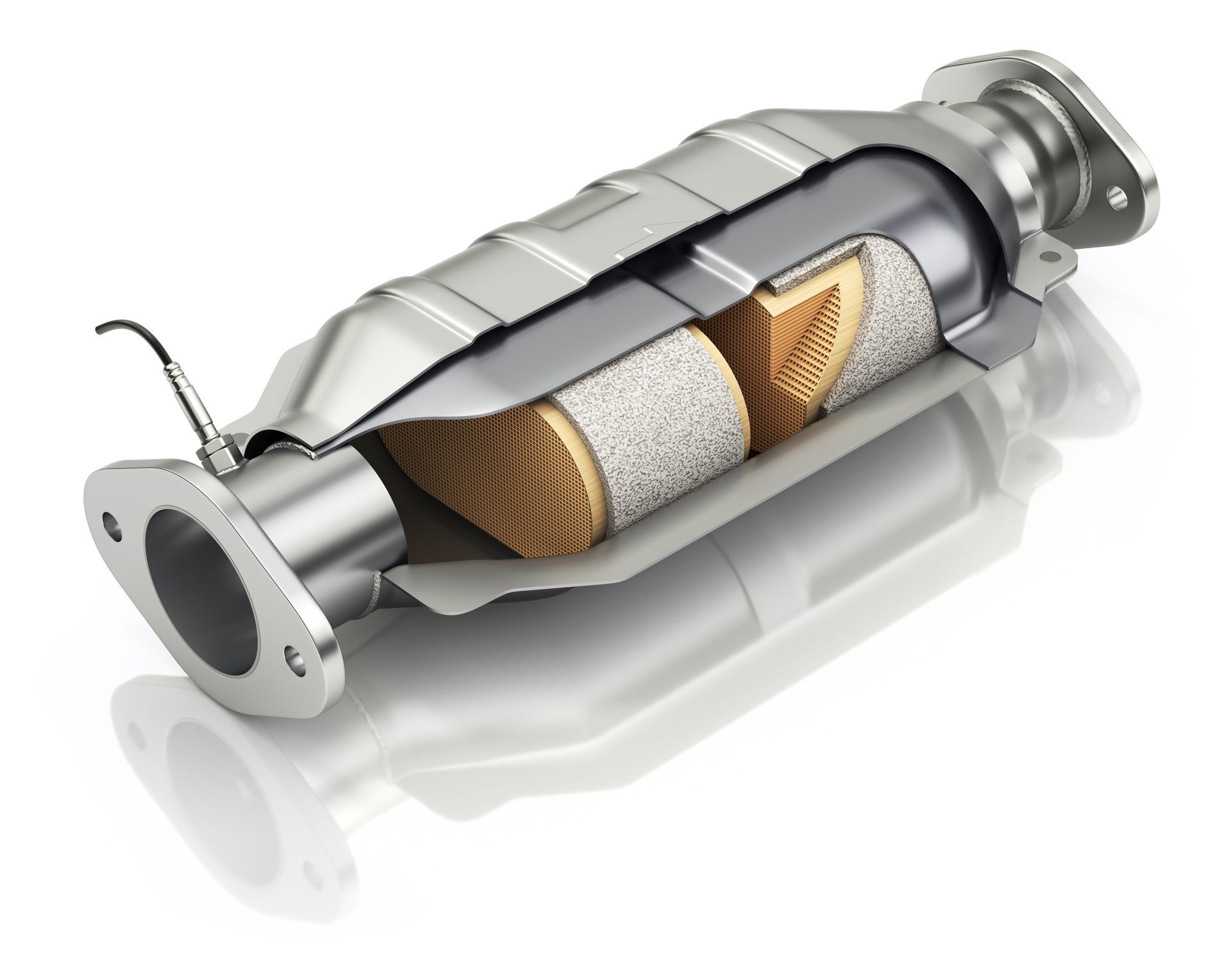
Black smoke also stresses emission parts. Soot and extra fuel can affect the diesel particulate filter, catalytic converter, oxygen sensors, and other exhaust components. We review air intake, fuel delivery, boost pressure, and stored data before deciding which repair is needed.
4. Gray Smoke
Gray smoke can be harder to read because it overlaps with other colors. It can point toward oil burning, fuel mixture issues, turbo problems, or transmission fluid entering the intake on certain older designs. It can also appear when the engine struggles to burn fuel properly.
The smell helps. Gray smoke with an oily smell may indicate oil consumption. Gray smoke with a fuel smell can point toward rich running or poor combustion. If it comes with weak power, warning lights, or rough running, the issue should be checked before it spreads into the exhaust system.
Gray smoke is also one of those symptoms that drivers describe differently. One person sees blue-gray, another sees black-gray, and another sees white-gray. That is why our technicians rely on testing, not only on the description from the tailpipe.
What To Do When You See Exhaust Smoke
Do not ignore smoke that persists after warmup, worsens under acceleration, or occurs with low fluid levels. Check the oil and coolant levels if it is safe to do so. If the engine is overheating, running rough, losing power, or showing dashboard warning lights, avoid driving farther than necessary.
Smoke is not a repair by itself. It is a symptom. The real concern could be a fuel injector, turbo seal, head gasket, glow plug system, air restriction, sensor fault, or internal engine wear. The sooner the cause is found, the better your chance of keeping the repair focused.
Get Exhaust Smoke Diagnostic In Williamston, MI, With Key Diesel and Auto Service
If your vehicle is blowing white, blue, black, or gray smoke, Key Diesel and Auto Service in Williamston, MI, can inspect the engine, fuel system, fluids, turbo, and exhaust to find the cause.