Do All Vehicles Have a Catalytic Converter?

June 26, 2026

Catalytic converters are one of those parts that most drivers hear about only when there is a problem. A check engine light comes on, the vehicle gets louder, an emissions test fails, or someone mentions converter theft. Then the question comes up: Does every vehicle actually have one?


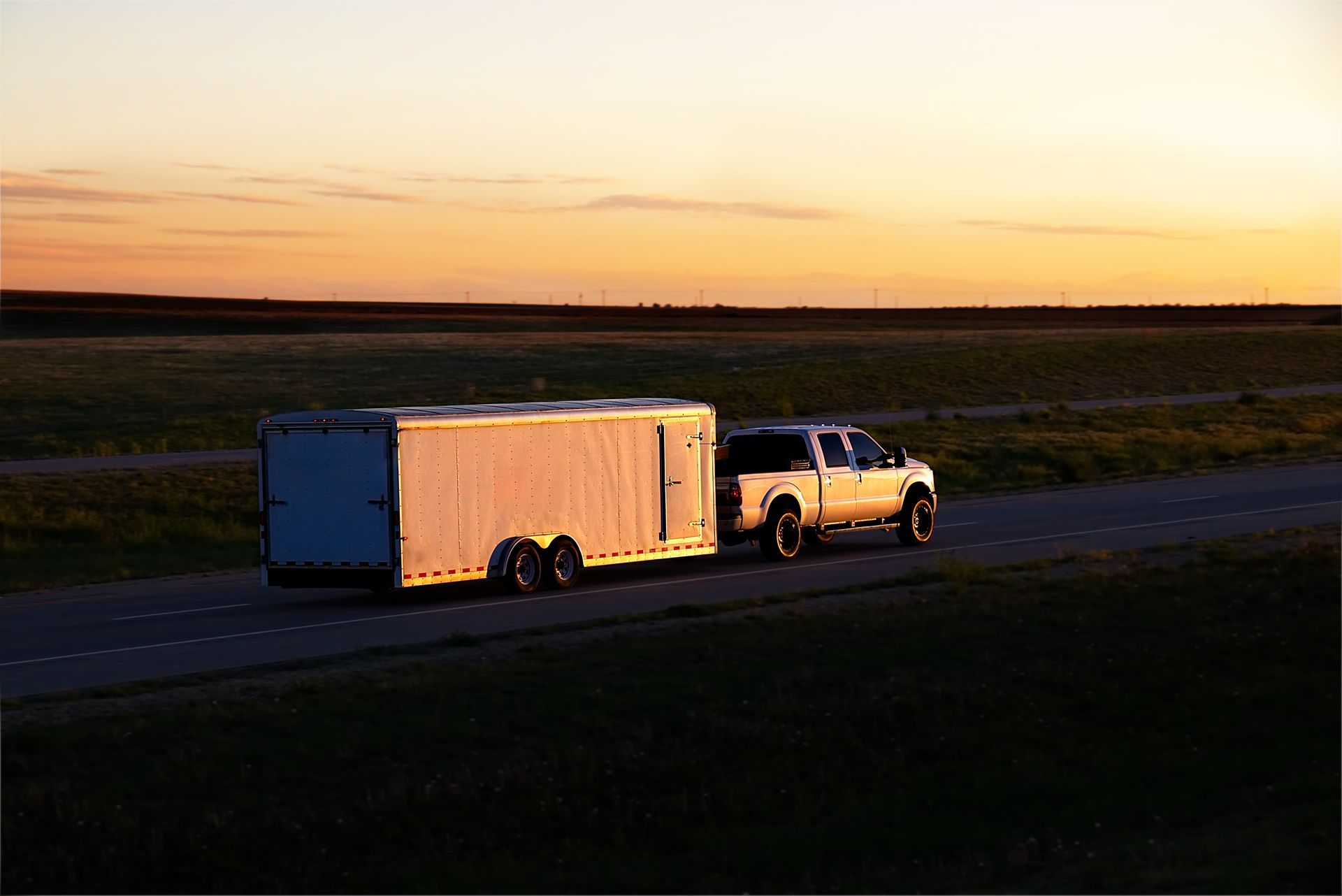
The answer depends on the type of vehicle, its age, and how it is powered. Most gas-powered vehicles on the road today have catalytic converters. Many diesel vehicles use their own version of emissions aftertreatment. Electric vehicles do not have catalytic converters at all because they do not burn fuel through an engine.


Most Gas Vehicles Have Catalytic Converters


Gas-powered cars, trucks, SUVs, and vans built for modern road use almost always have catalytic converters. The converter is part of the exhaust system and helps reduce harmful emissions before the exhaust leaves the tailpipe.


It works by using precious metals inside the converter to create a chemical reaction. That reaction helps reduce pollutants from combustion, including hydrocarbons, carbon monoxide, and nitrogen oxides. The driver does not feel it working during normal driving, but the emissions system depends on it every time the engine runs.


Older Vehicles Can Be Different


Not every older vehicle was built with a catalytic converter. Some classic cars and older trucks were made before catalytic converters became common on passenger vehicles. Others may have different emissions equipment based on model year, engine type, and where the vehicle was originally sold.


That does not mean the part can simply be removed from a newer vehicle. If a vehicle was built with a catalytic converter, it must remain in place and function correctly. Removing it can create noise, check engine lights, failed emissions testing, poor exhaust performance, and legal problems.


Diesel Vehicles Use Emissions Aftertreatment Too


Diesel vehicles are a little different. Many diesel engines use a diesel oxidation catalyst, and newer diesel systems can also include a diesel particulate filter, selective catalytic reduction, DEF system, sensors, and other emissions components. These parts work together to reduce soot, odors, and harmful exhaust output.


Because diesel emissions systems are more complex, symptoms can be confusing. A warning light, reduced power message, exhaust smell, regeneration issue, or DEF-related warning can point to several possible causes. A proper inspection is important because replacing the wrong emissions part can get expensive quickly.


Hybrid Vehicles Still Usually Have One


Hybrid vehicles still have gasoline engines, so they usually still have catalytic converters. Even though the electric motor helps reduce engine use, the gas engine still creates exhaust when it runs. That exhaust still needs emissions control.


Some hybrids can be tricky because the engine starts and stops more often than a traditional gas vehicle. The emissions system has to work with that operating pattern. If a hybrid has a check engine light, poor fuel economy, exhaust smell, or emissions fault, the converter is still one of the systems that may need to be checked.


Electric Vehicles Do Not Need Catalytic Converters


Fully electric vehicles do not have catalytic converters because they do not have tailpipe exhaust. There is no gasoline or diesel combustion happening inside an engine, so there are no exhaust gases for a catalytic converter to clean.


That is one of the easiest ways to separate EVs from gas and diesel vehicles. EVs still require maintenance, such as tires, brakes, suspension, cooling systems, A/C, and electrical components, but a catalytic converter is not part of the design. No exhaust system means no converter.


What Can Cause Catalytic Converter Problems?


Catalytic converters can fail, but they are not always the original cause of the problem. Misfires, rich fuel mixture, oil burning, coolant burning, exhaust leaks, and ignored oxygen sensor problems can all damage a converter over time. That is why a converter code should be diagnosed carefully.


A failing converter can cause a check engine light, reduced power, rattling noise, sulfur-like smell, poor fuel economy, or failed emissions testing. Regular maintenance helps prevent some of the engine problems that can harm the converter, especially ignition, fuel, and oil-related issues.


Why Converter Diagnosis Matters


A catalytic converter is not a cheap part to replace, so the cause needs to be confirmed before repair. A scan tool can show codes, but it does not always prove that the converter itself is bad. The engine’s fuel control, oxygen sensor readings, misfire history, exhaust condition, and overall performance all need to be reviewed.


If the converter failed because another problem was ignored, replacing only the converter can lead to repeat failure. That is why testing comes first. The goal is to determine whether the converter is restricted, inefficient, damaged, missing, or being blamed for an issue that originated elsewhere.


Get Catalytic Converter Service In Williamston, MI, With Key Diesel and Auto Service


If your vehicle has a check engine light, exhaust smell, emissions issue, reduced power, or catalytic converter concern, Key Diesel and Auto Service in Williamston, MI, can inspect the exhaust and emissions system to find the real cause.


For catalytic converter service or emissions system testing, contact us to schedule an appointment.
What Problems the 4 Different Exhaust Colors Reveal: White, Blue, Black, and Gray Smoke | Key Diesel
May 29, 2026
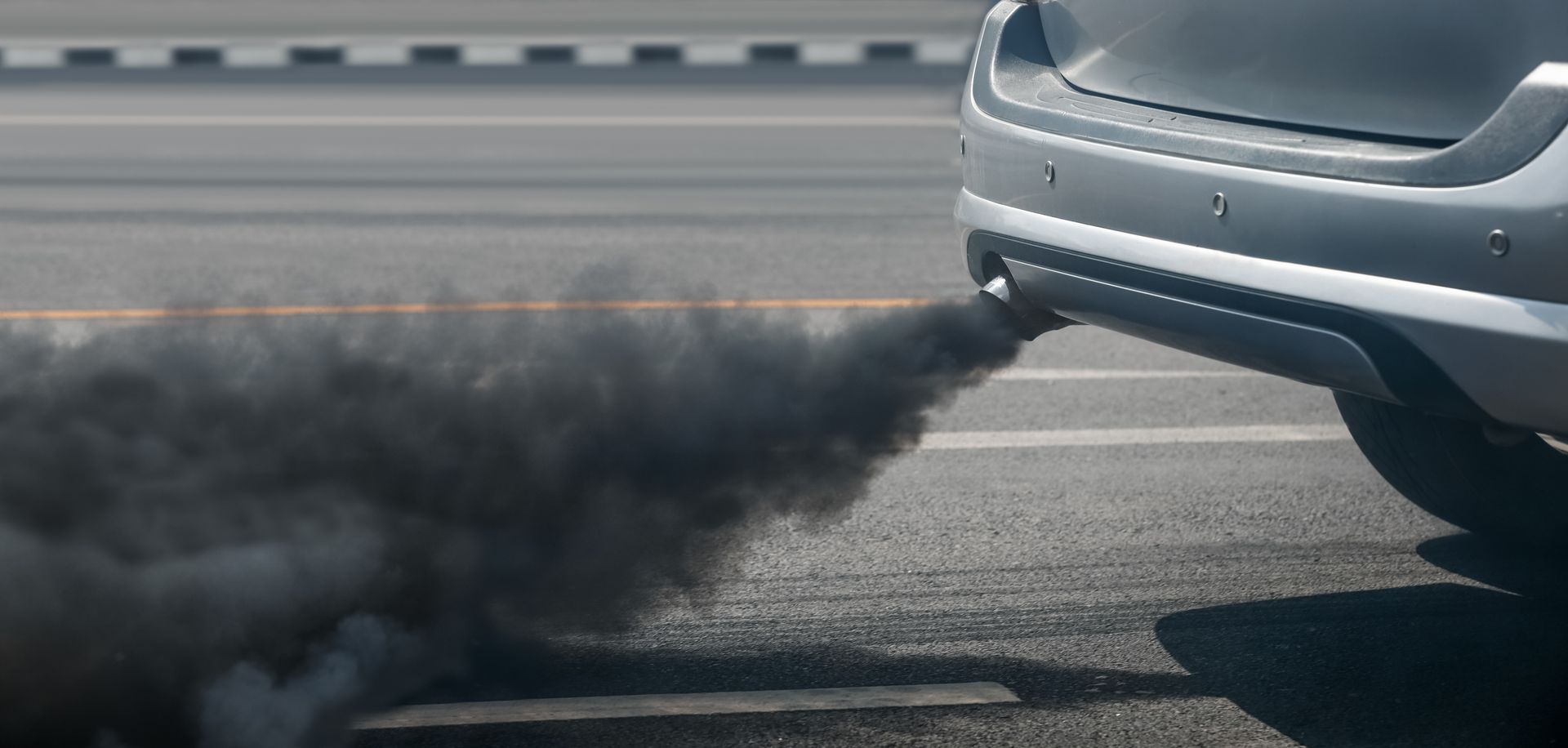
Key Diesel and Auto Service in Williamston, MI, explains what white, blue, black, and gray exhaust smoke can reveal.
Is Changing Your Engine Oil at Home Worth It for Modern Vehicles? | Key Diesel and Auto Service
April 30, 2026
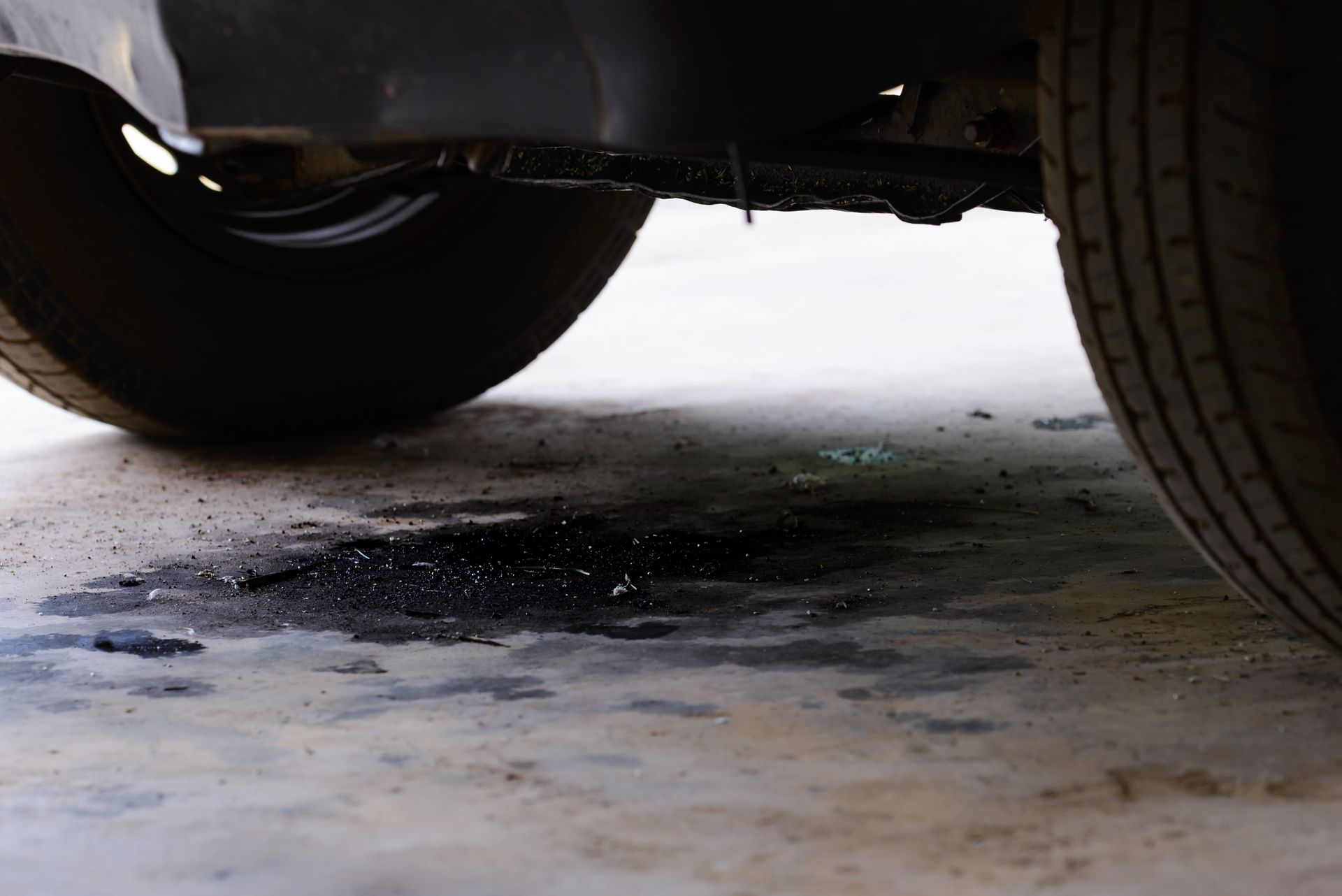
Key Diesel and Auto Service in Williamston, MI, explains whether changing engine oil at home is worth it on modern vehicles.
How Does Heating and Cooling Work In An Electric Car and Why Is a Broken A/C Compressor Bad For The
March 27, 2026
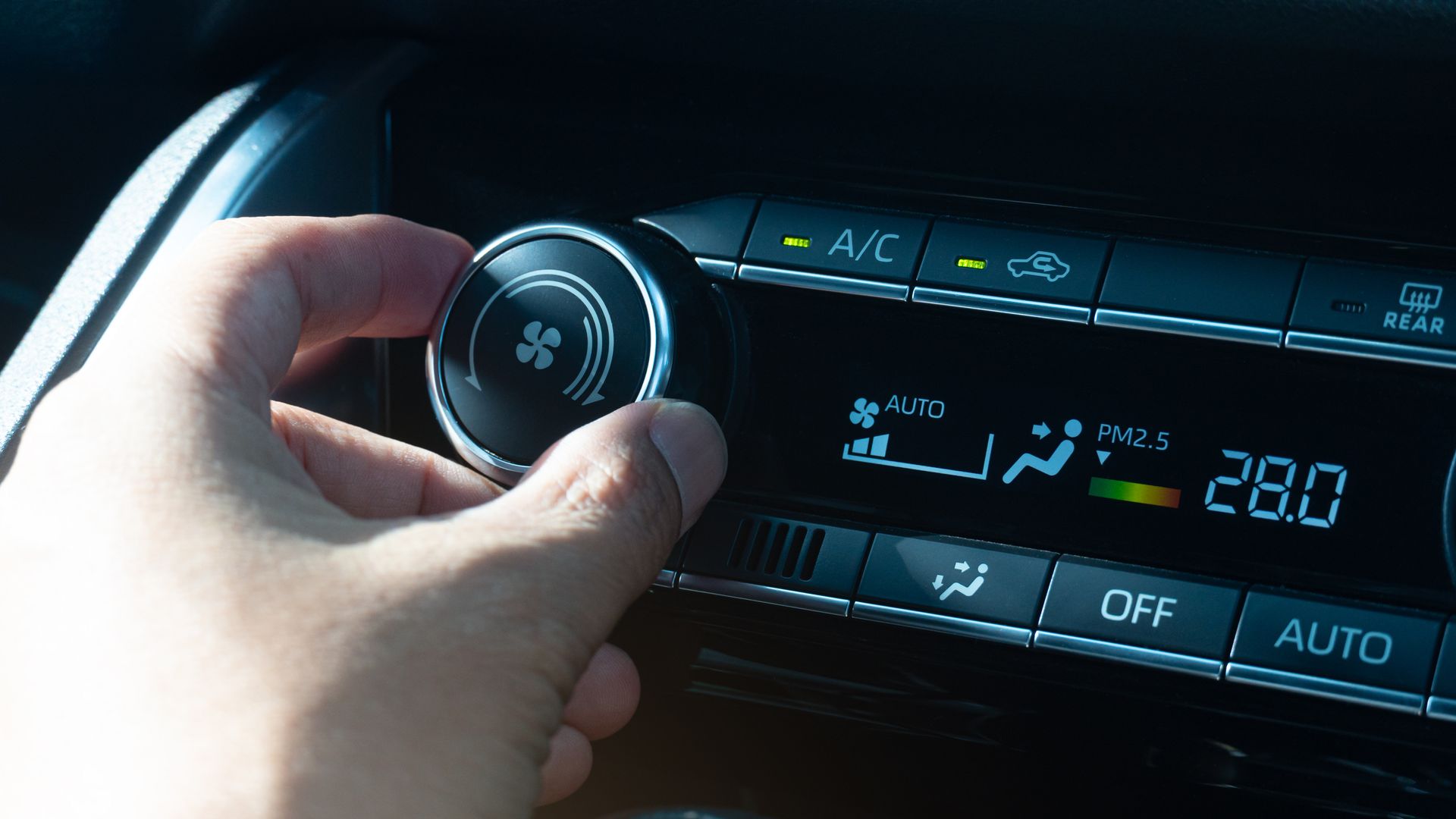
Key Diesel and Auto Service in Williamston, MI, explains EV heating and cooling and why a bad A/C compressor can impact the battery.
10 Easy Car Maintenance Tasks You Can Do At Home | Key Diesel and Auto Service
February 27, 2026
Key Diesel and Auto Service in Williamston, MI, shares ten easy at-home maintenance tasks that help catch issues early.
6 Warning Signs Your Diesel Fuel Injectors Are Getting Clogged | Key Diesel and Auto Service
January 30, 2026
Key Diesel and Auto Service in Williamston, MI, explains six warning signs that diesel fuel injectors are getting clogged.
The Role of Spark Plugs in Gasoline Engines vs. Glow Plugs in Diesels | Key Diesel and Auto Service
December 19, 2025
Key Diesel and Auto Service in Williamston, MI, explains the roles of spark plugs in gasoline engines versus glow plugs in diesels.
What Is The Difference Between Brake Pad and Brake Rotor Replacement? | Key Diesel and Auto Service
November 28, 2025
Key Diesel and Auto Service in Williamston, MI, explains the difference between pads and rotors and when each one typically needs to be replaced.
How Does Detailing Extend the Life of Your Car’s Paint and Interior? | Key Diesel and Auto Service
October 31, 2025
Key Diesel and Auto Service in Williamston, MI, shows how regular detailing protects vehicle paint and interiors from long-term wear.
What Causes Black Smoke From a Diesel Exhaust and How to Fix It | Key Diesel and Auto Service
September 26, 2025
Seeing black smoke coming from your diesel vehicle's exhaust is never a good sign. While diesel engines naturally produce more exhaust than gasoline engines, heavy or persistent black smoke usually indicates an underlying issue. It often means your engine is burning too much fuel or not burning it efficiently, which can lead to reduced performance, poor fuel economy, and even long-term damage if ignored. Understanding what causes black smoke can help you identify problems early and prevent more expensive repairs later on. How Diesel Combustion Works Diesel engines operate differently from gasoline engines. Instead of using spark plugs to ignite a fuel-air mixture, diesel engines compress air until it’s hot enough to ignite the injected fuel. When everything is working properly, this process results in efficient combustion and minimal visible exhaust. Black smoke appears when there’s incomplete combustion. That means too much fuel is being injected, there isn’t enough air, or both. Identifying the cause is the first step toward restoring proper performance. Common Causes of Black Smoke Black smoke can be triggered by several issues, many of which are related to the fuel or air delivery systems: Clogged air filter: If the engine isn’t getting enough air, fuel can’t burn efficiently. A dirty or blocked air filter is one of the simplest causes of black smoke. Faulty fuel injectors: When injectors deliver too much fuel or fail to spray it evenly, excess fuel remains unburned, leading to thicker exhaust smoke. Turbocharger problems: In turbocharged diesel engines, a failing turbo can reduce airflow into the combustion chamber, causing incomplete combustion and increased smoke. EGR (Exhaust Gas Recirculation) issues: If the EGR valve sticks or malfunctions, it can disrupt the balance of air and fuel, resulting in black smoke. Bad sensors: Malfunctioning sensors that regulate fuel and airflow can cause your engine to run rich, creating more smoke. Since these issues can range from minor to severe, getting the problem diagnosed early saves time and protects your engine from damage. How Black Smoke Affects Engine Performance Aside from being unpleasant to look at, persistent black smoke can indicate deeper issues affecting your vehicle’s efficiency and reliability. You may notice a decrease in power, sluggish acceleration, or reduced fuel economy. If the problem is ignored, unburned fuel can also damage components like the catalytic converter, diesel particulate filter, or turbocharger. In some cases, excessive smoke can even lead to failed emissions tests , which can be a problem if your area requires vehicle inspections. Preventing Black Smoke Problems Routine maintenance is the key to preventing most causes of black smoke. Replacing air filters regularly, servicing fuel injectors, and checking sensors during scheduled inspections keep your diesel engine running cleanly. If your vehicle is turbocharged, having the turbo inspected periodically ensures it’s working properly and delivering adequate airflow. Staying on top of oil changes and using high-quality diesel fuel can also minimize carbon buildup inside the engine, which helps improve combustion efficiency. Expert Diesel Engine Service at Key Diesel and Auto Service At Key Diesel and Auto Service , our technicians specialize in diagnosing and repairing diesel engine problems, including excessive exhaust smoke. We use advanced diagnostic tools to pinpoint the cause, whether it’s a faulty injector, clogged air filter, or failing turbocharger. Our goal is to restore your vehicle’s performance, improve fuel efficiency, and keep your diesel engine running clean. Schedule an appointment today and let us help you get your engine back in top shape.
Top 10 Diesel Engine Maintenance Tips for Longevity | Key Diesel and Auto Service
August 29, 2025
Key Diesel and Auto Service in Williamston, MI, provides 10 essential diesel engine maintenance tips to keep your truck running longer.