An engine can feel reasonably normal while a fault is developing. That's one reason a check engine light gets postponed: there's no dramatic noise, and you can still drive. But some faults disrupt combustion, oil protection, or heat control before you notice the consequences behind the wheel.
A warning can also involve a condition that's unlikely to damage the engine directly. The symbol doesn't distinguish those cases for you. Checking the stored information and affected systems helps you assess the risk, so you can respond to the actual problem without assuming the worst or dismissing it.
Check Engine Light Faults Have Different Damage Risks
The computer monitors many systems, so the same dashboard symbol can represent very different conditions. A minor emissions leak and a persistent fueling problem don't have the same consequences. Stored information directs the technician toward the affected system, but testing is needed to establish the cause and severity.
A fault code isn't a guarantee that its named sensor is defective. Wiring, mechanical conditions, and related components can produce the same monitored result. Replacing a guessed part can delay the correct repair, allowing a damaging condition to continue while the dashboard briefly appears better or the warning returns.
Incorrect Fuel Delivery Can Affect Engine Oil Protection
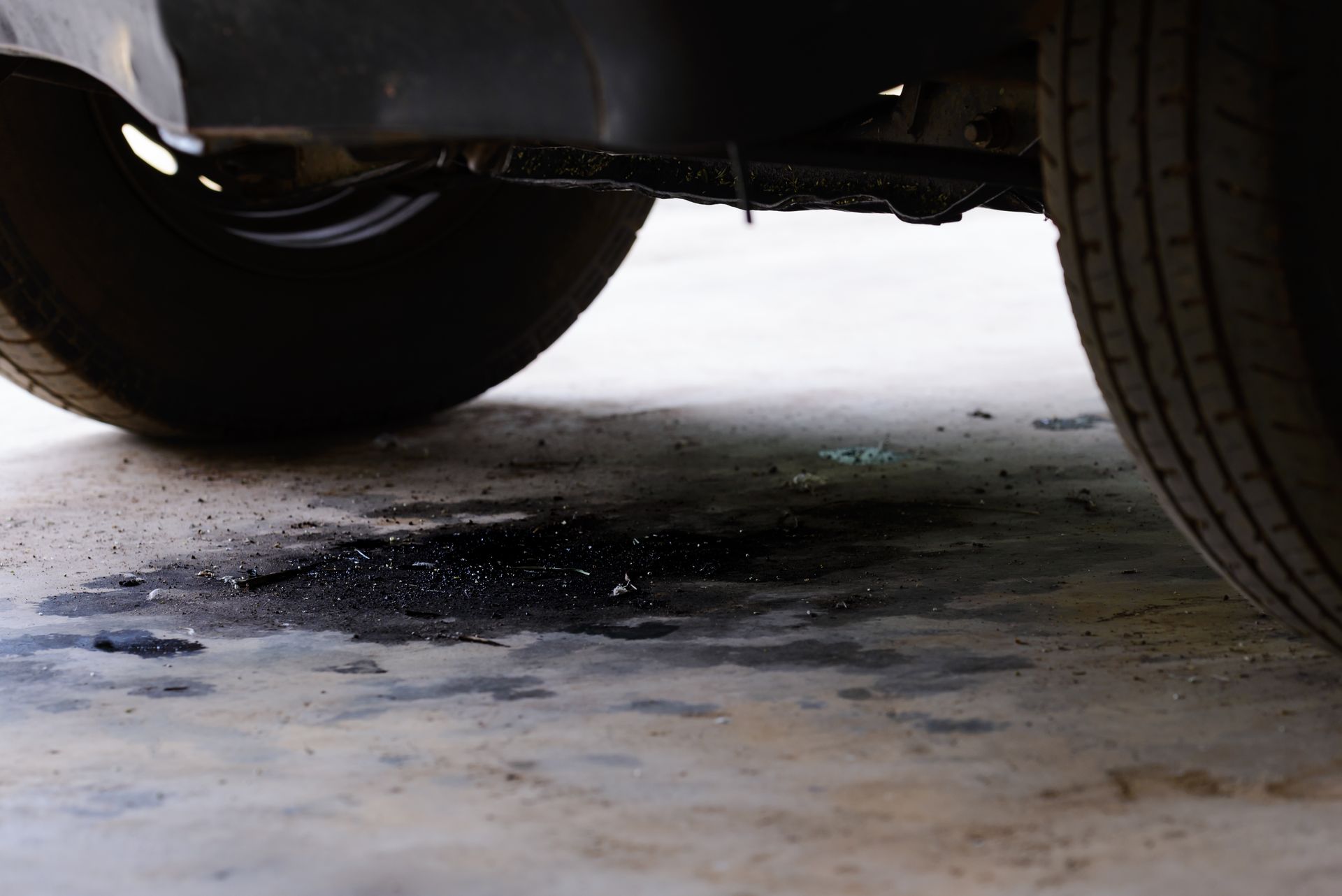
Certain fueling faults can allow excess fuel to reach the cylinders and, in some circumstances, enter the crankcase. Significant fuel dilution can reduce the oil's ability to protect loaded components. Persistent abnormal combustion can also disturb the lubricating film on cylinder surfaces, depending on the fault and its extent.
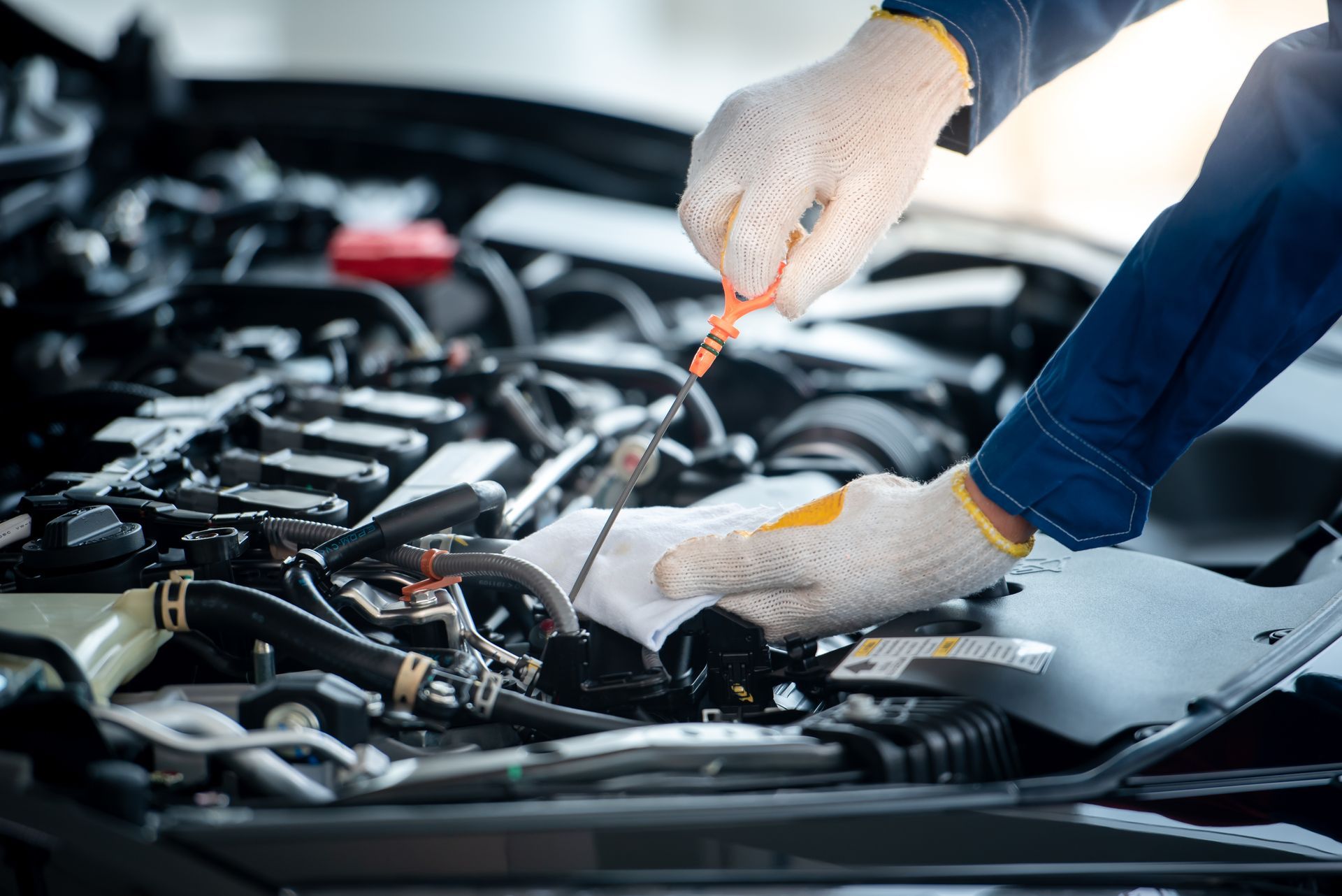
This isn't the outcome of every injector code or misfire. It's a risk that requires proper checking when the symptoms support it. A rising oil level, fuel smell in the oil, rough running, or difficult starting should be reported. Correcting the fuel fault may also require addressing contaminated oil rather than leaving it in service.
Abnormal Combustion Can Increase Heat And Engine Stress
An engine relies on controlled fuel delivery, ignition or injection timing, and suitable operating temperatures. Problems that disrupt those conditions can create abnormal combustion or excessive thermal stress. The particular risk depends on whether the fault involves a gasoline engine, a diesel engine, or a related control system.
Modern controls may reduce power to protect the vehicle, but reduced power isn't permission to ignore the warning indefinitely. If knocking, severe roughness, overheating, or a major performance change appears, stop safely and follow the vehicle's instructions. Continuing under heavy load can worsen a condition that already needs attention.
Misfire Damage Can Extend Beyond The Engine Itself
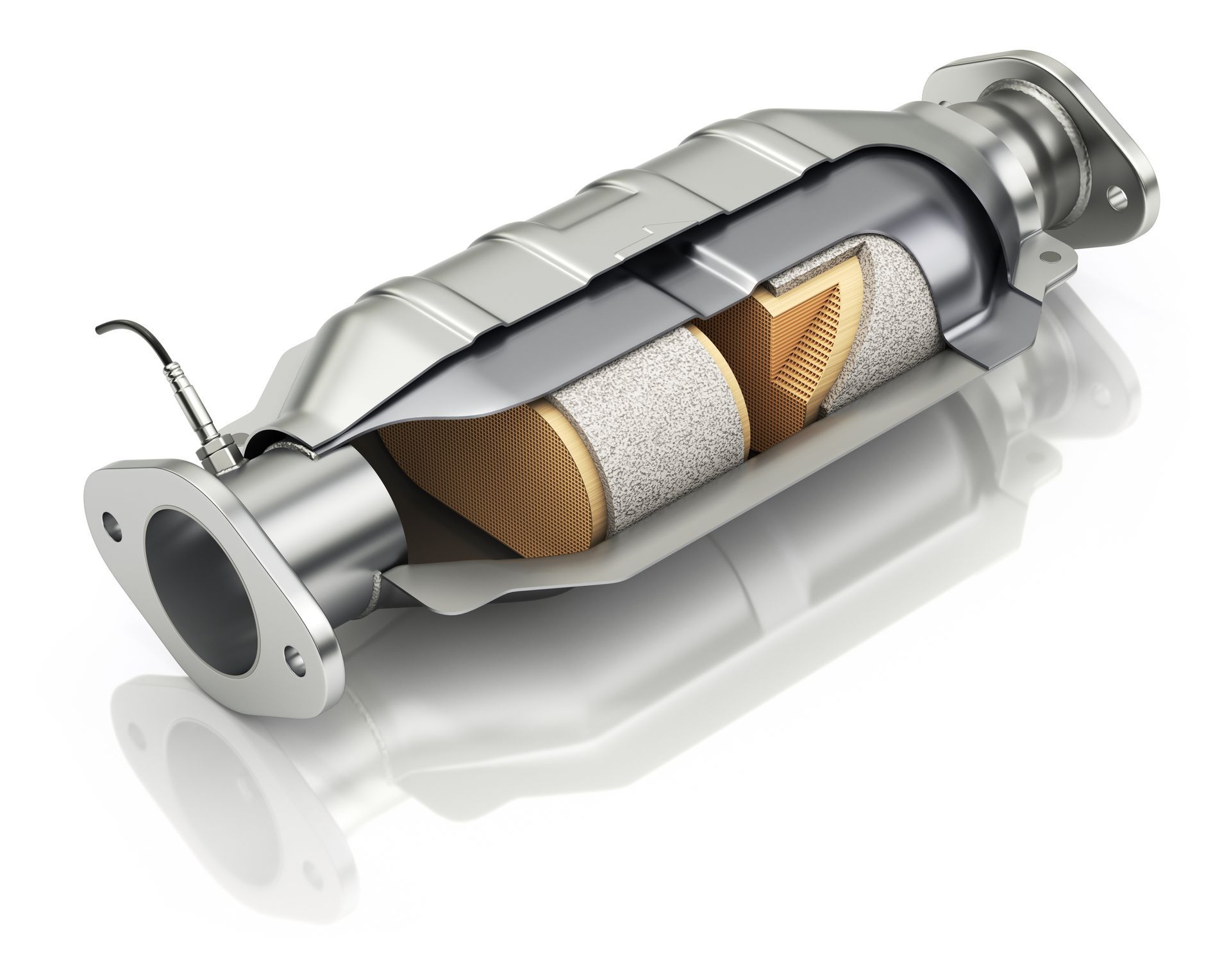
On a gasoline engine, unburned fuel from a serious misfire can overheat the catalytic converter. That's often one of the immediate damage concerns, even before internal engine harm is confirmed. A failed converter adds another repair and doesn't correct the combustion problem that overheated it.
A flashing check engine light commonly warns of a damaging misfire. Don't keep driving normally to see whether the engine clears up. Stop safely, switch off the engine when appropriate, and arrange assistance if it runs severely rough or loses power. The owner's manual provides guidance for the warning on your vehicle.
Diesel Engine Warnings Need System-Specific Checks
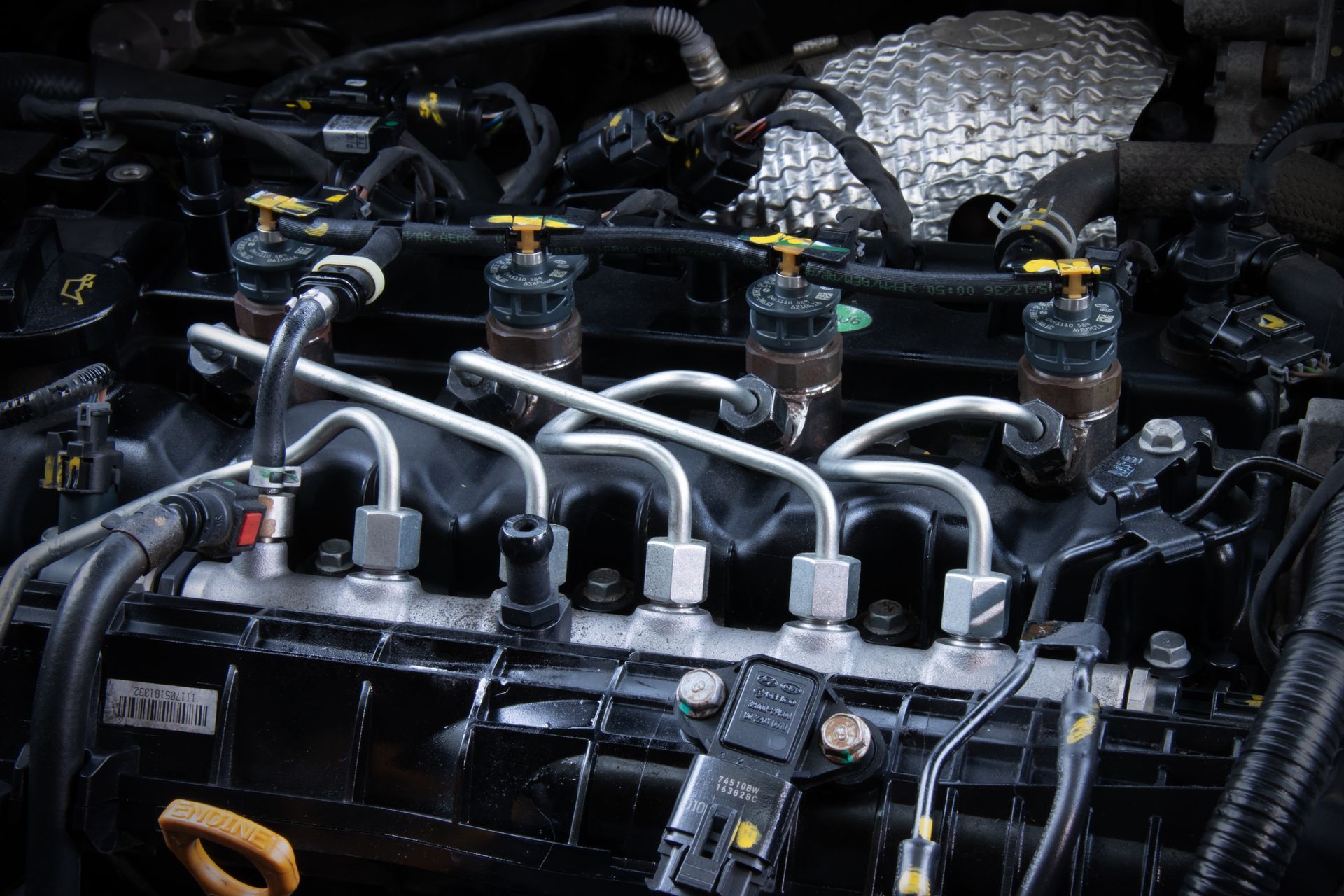
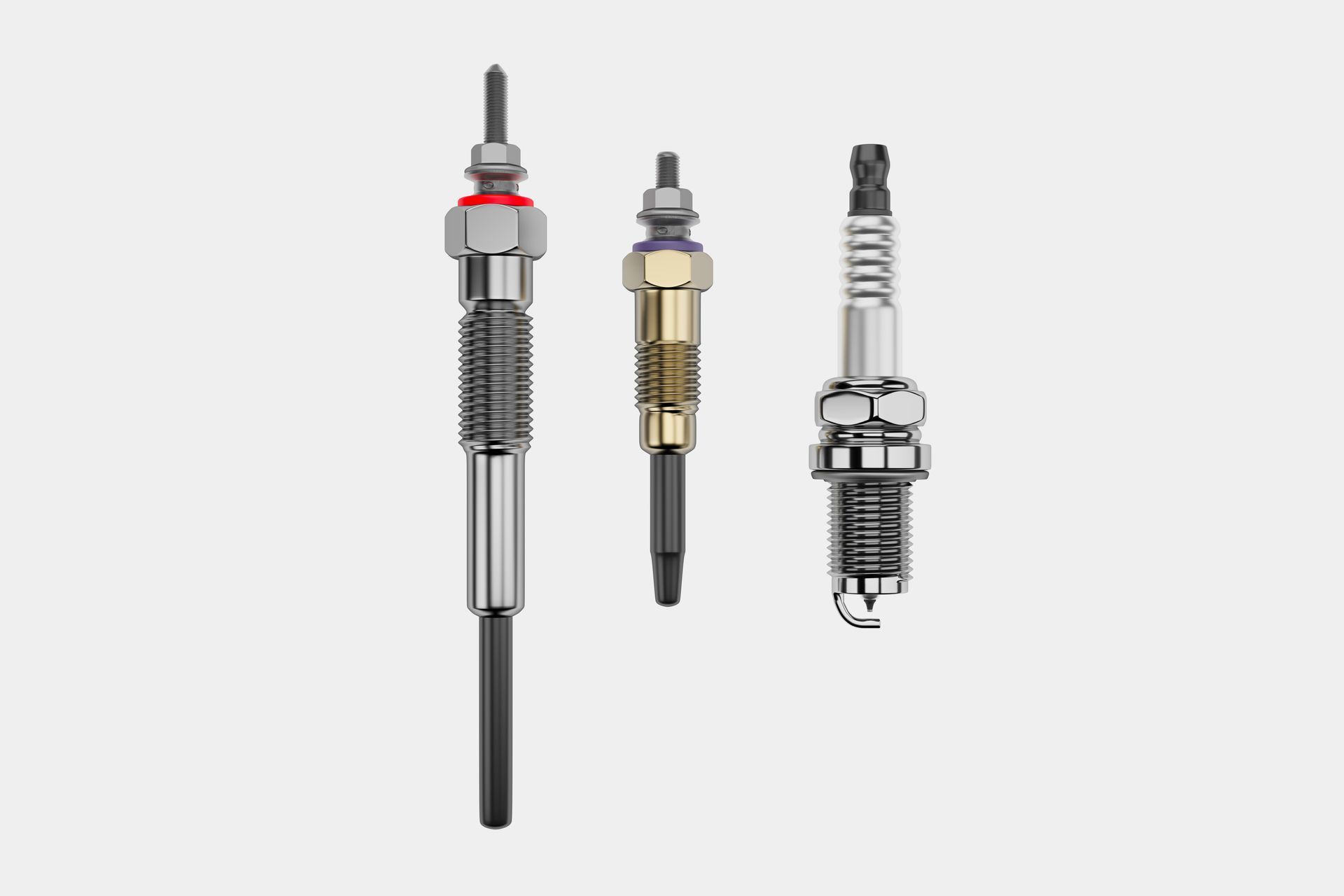
Diesel vehicles can display warnings related to injection, turbocharger control, exhaust treatment, and other monitored systems. A fuel-pressure concern is different from a diesel particulate filter alert, even if both eventually affect performance. The required response depends on the exact message, fault information, and operating symptoms.
A soot-loaded filter or malfunctioning emissions system may change exhaust pressure and operating conditions, but an engine warning doesn't automatically mean the filter needs replacement. Don't attempt a forced cleaning procedure or assume a highway drive is the solution to every alert. Use the manufacturer's instructions and have persistent or severe warnings checked.
Oil Pressure And Overheating Warnings Require Separate Attention
The check engine light isn't the only warning relevant to internal damage. Low oil pressure and excessive coolant temperature may have their own indicators or messages. Waiting for the check engine symbol to appear can miss a condition that requires stopping immediately to protect the engine.
Treat these changes as urgent reasons to stop safely:
- An oil pressure warning while the engine is running.
- An overheating alert, steam, or rapidly rising temperature indication.
- Severe knocking from the engine.
- A sudden major loss of power.
Switch off as directed and arrange assistance instead of continuing to test how far the vehicle will travel.
Early Check Engine Light Testing Can Identify Hidden Consequences
The shop can connect stored fault information with fuel-control checks, mechanical tests, fluid condition, and other findings relevant to the complaint. That helps establish whether the original fault has already affected another component. It also avoids treating an emissions warning as proof of internal engine damage without evidence.
Tell the shop when the light appeared and whether oil level, temperature, fuel use, or engine sound changed afterward. Leave stored information intact for the appointment. Checking the fault and any supported damage concerns helps establish what needs repair, without assuming internal damage from the warning alone.
Get Engine Warning Light Checks In Williamston, MI
Key Diesel and Auto Service in Williamston, MI, can check gasoline and diesel engine warnings along with changes in operation or fluid condition. We can explain the confirmed fault, related concerns, and whether the symptoms make continued driving unsuitable.
Contact us to schedule a check engine light and engine performance inspection.